-
2-37.1 EmpProject综合案例
EmpProject综合案例
案例阶段一:环境搭建
1.创建数据库
create databas emp;- 1
2.需要两张表
emp员工信息表和empmanager管理员表
create table emp( id int PRIMARY KEY AUTO_INCREMENT, name varchar(20) not null, salary double not null, age int not null ); create table empmanager( username varchar(20) not null, password varchar(20) not null );- 1
- 2
- 3
- 4
- 5
- 6
- 7
- 8
- 9
- 10
3.插入一些测试数据
insert into emp(name, salary, age)value('tom',2000,16); insert into emp(name, salary, age)value('jerry',2500,14); insert into emp(name, salary, age)value('dog',1900,18); insert into empmanager(username, password) value ('admin','123456')- 1
- 2
- 3
- 4
- 5
4.创建Web项目分层目录
com.qf.emp.controller 调用业务逻辑Servlet
com.qf.emp.jsp 打印显示页面Servlet
com.qf.emp.dao 数据访问层
com.qf.emp.dao.impl 数据访问层实现类
com.qf.emp.entity 实体类
com.qf.emp.filter 过滤器类
com.qf.emp.service 业务逻辑层
com.qf.emp.service.impl 业务逻辑层实现类
com.qf.emp.utils 工具类
database.properties 数据库连接池配置文件
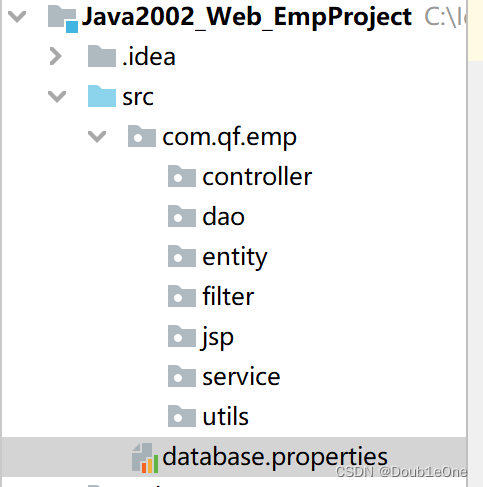
在WEB-INF目录下创建lib包,导入要使用jar
commons-dbutils-1.7.jar
druid-1.1.5.jar
mysql-connector-java-5.1.25-bin.jar
ValidateCode.jar
编写database.properties数据库资源文件
#jdbc连接驱动配置 driver=com.mysql.jdbc.Driver url=jdbc:mysql://localhost:3306/emp username=root password=123456 #连接池配置 【连接池初始容量,最大连接数量, 最小空闲连接, 最大等待时长】 initialSize=10 maxActive=20 minIdle=5 maxWait=3000- 1
- 2
- 3
- 4
- 5
- 6
- 7
- 8
- 9
- 10
案例阶段二:代码编写
1.编写DBUtils工具类
ps:utils包下
package com.qf.emp.utils; import com.alibaba.druid.pool.DruidDataSource; import com.alibaba.druid.pool.DruidDataSourceFactory; import com.alibaba.druid.pool.DruidPooledConnection; import java.io.IOException; import java.io.InputStream; import java.sql.Connection; import java.sql.ResultSet; import java.sql.SQLException; import java.sql.Statement; import java.util.Properties; /** * 做一个数据库连接工具类 */ public class DbUtils { private DbUtils(){} //数据库连接池对象 private static DruidDataSource ds; //事务的控制 ThreadLocal private static final ThreadLocal<Connection> THREAD_LOCAL = new ThreadLocal<>(); //使用静态代码块对文件进行进行加载 static { //1.创建properties文件 Properties properties = new Properties(); //创建字节流对象读取数据【建议通过反射】 InputStream resourceAsStream = DbUtils.class.getResourceAsStream("/database.properties"); //加载文件 try { properties.load(resourceAsStream); //获取连接池对象 ds = (DruidDataSource) DruidDataSourceFactory.createDataSource(properties); } catch (IOException e) { e.printStackTrace(); } catch (Exception e) { e.printStackTrace(); } } /** * 获取Connection对象 */ public static Connection getConnection(){ //1.通过ThreadLocal来获取Connection对象 Connection connection = THREAD_LOCAL.get(); try { if(connection == null){ //通过连接池获获取Connection对象 connection = ds.getConnection(); //存储到ThradLocal中 THREAD_LOCAL.set(connection); } } catch (SQLException e) { e.printStackTrace(); } return connection; } /** * 开启事务 * */ public static void begin(){ Connection connection = null; try { connection = getConnection(); connection.setAutoCommit(false); } catch (SQLException e) { e.printStackTrace(); } } /** * 提交事务 */ public static void commit(){ Connection connection = null; try { connection = getConnection(); connection.commit();//提交 } catch (SQLException e) { e.printStackTrace(); }finally { closeAll(connection,null,null); } } /** * 回滚 */ public static void rollback(){ Connection connection = null; try { connection = getConnection(); connection.rollback();//回滚 } catch (SQLException e) { e.printStackTrace(); }finally { closeAll(connection,null,null); } } /** * 统一资源释放 */ public static void closeAll(Connection connection, Statement statement, ResultSet resultSet){ try{ if(resultSet != null){ resultSet.close(); } if(statement != null){ statement.close(); } if(connection != null){ connection.close(); THREAD_LOCAL.remove(); } }catch (Exception e){ e.printStackTrace(); } } }- 1
- 2
- 3
- 4
- 5
- 6
- 7
- 8
- 9
- 10
- 11
- 12
- 13
- 14
- 15
- 16
- 17
- 18
- 19
- 20
- 21
- 22
- 23
- 24
- 25
- 26
- 27
- 28
- 29
- 30
- 31
- 32
- 33
- 34
- 35
- 36
- 37
- 38
- 39
- 40
- 41
- 42
- 43
- 44
- 45
- 46
- 47
- 48
- 49
- 50
- 51
- 52
- 53
- 54
- 55
- 56
- 57
- 58
- 59
- 60
- 61
- 62
- 63
- 64
- 65
- 66
- 67
- 68
- 69
- 70
- 71
- 72
- 73
- 74
- 75
- 76
- 77
- 78
- 79
- 80
- 81
- 82
- 83
- 84
- 85
- 86
- 87
- 88
- 89
- 90
- 91
- 92
- 93
- 94
- 95
- 96
- 97
- 98
- 99
- 100
- 101
- 102
- 103
- 104
- 105
- 106
- 107
- 108
- 109
- 110
- 111
- 112
- 113
- 114
- 115
- 116
- 117
- 118
- 119
- 120
- 121
- 122
- 123
- 124
- 125
- 126
2.实现具体功能
2.1实现管理员登录功能
2.1.1在entity包下创建实体类EmpManager类
package com.qf.emp.entity; public class EmpManager { //因为要做实体映射[ORM],所以类名和属性名尽量和表名和列名一致 private String username; private String password; public EmpManager() { } public EmpManager(String username, String password) { this.username = username; this.password = password; } public String getUsername() { return username; } public void setUsername(String username) { this.username = username; } public String getPassword() { return password; } public void setPassword(String password) { this.password = password; } @Override public String toString() { return "EmpManager{" + "username='" + username + '\'' + ", password='" + password + '\'' + '}'; } }- 1
- 2
- 3
- 4
- 5
- 6
- 7
- 8
- 9
- 10
- 11
- 12
- 13
- 14
- 15
- 16
- 17
- 18
- 19
- 20
- 21
- 22
- 23
- 24
- 25
- 26
- 27
- 28
- 29
- 30
- 31
- 32
- 33
- 34
- 35
- 36
- 37
- 38
2.2编写dao数据层
2.2.1编写EmpManagerDao接口,此接口完成登录查询
package com.qf.emp.dao; import com.qf.emp.entity.EmpManager; //管理员登录接口 public interface EmpManagerDao { //查询用户名 public EmpManager select(String name); }- 1
- 2
- 3
- 4
- 5
- 6
- 7
- 8
- 9
- 10
2.2.2编写接口实现类EmpManagerDaoImpl
package com.qf.emp.dao.impl; import com.qf.emp.dao.EmpManagerDao; import com.qf.emp.entity.EmpManager; import com.qf.emp.utils.DbUtils; import org.apache.commons.dbutils.QueryRunner; import org.apache.commons.dbutils.handlers.BeanHandler; import java.sql.SQLException; public class EmpManagerDaoImpl implements EmpManagerDao { //通过DBUtil类中提供的QueryRunner对象来进行查询 private QueryRunner queryRunner = new QueryRunner(); @Override public EmpManager select(String name) { try { EmpManager empManager = queryRunner.query (DbUtils.getConnection(), "select * from empmanager where username = ?", new BeanHandler<EmpManager>(EmpManager.class), name); return empManager; } catch (SQLException e) { e.printStackTrace(); } return null; } }- 1
- 2
- 3
- 4
- 5
- 6
- 7
- 8
- 9
- 10
- 11
- 12
- 13
- 14
- 15
- 16
- 17
- 18
- 19
- 20
- 21
- 22
- 23
- 24
- 25
- 26
- 27
- 28
2.3service业务层实现
2.3.1 创建EmpManagerService接口提供登录方法
package com.qf.emp.service; import com.qf.emp.entity.EmpManager; public interface EmpManagerService { //登录方法 public EmpManager login(String username,String password); }- 1
- 2
- 3
- 4
- 5
- 6
- 7
- 8
- 9
- 10
2.3.2实现EmpManagerService接口EmpManagerServiceImpl
package com.qf.emp.service.impl; import com.qf.emp.dao.EmpManagerDao; import com.qf.emp.dao.impl.EmpManagerDaoImpl; import com.qf.emp.entity.EmpManager; import com.qf.emp.service.EmpManagerService; import com.qf.emp.utils.DbUtils; import java.util.Objects; public class EmpManagerServiceImpl implements EmpManagerService { //获取访问数据层的对象 private EmpManagerDao empManagerDao = new EmpManagerDaoImpl(); @Override public EmpManager login(String username, String password) { //定义一个变量用来存储查找到的EmpManager对象 EmpManager em = null; try { DbUtils.begin(); //通过数据访问层对象获取EmpManager对象 EmpManager empManager = empManagerDao.select(username); //判断对象是否存在并判断密码是否正确 if(Objects.nonNull(empManager)){ if(empManager.getPassword().equals(password)){ em = empManager; } } DbUtils.commit(); } catch (Exception e) { //回滚 DbUtils.rollback(); e.printStackTrace(); } return em; } }- 1
- 2
- 3
- 4
- 5
- 6
- 7
- 8
- 9
- 10
- 11
- 12
- 13
- 14
- 15
- 16
- 17
- 18
- 19
- 20
- 21
- 22
- 23
- 24
- 25
- 26
- 27
- 28
- 29
- 30
- 31
- 32
- 33
- 34
- 35
- 36
- 37
- 38
- 39
- 40
- 41
- 42
- 43
- 44
- 45
- 46
- 47
- 48
- 49
2.4对登录Servlet进行处理
2.4.1在Controller包下,创建EmpManagerLoginController
package com.qf.emp.controller; import com.qf.emp.entity.EmpManager; import com.qf.emp.service.EmpManagerService; import com.qf.emp.service.impl.EmpManagerServiceImpl; import javax.servlet.ServletException; import javax.servlet.annotation.WebServlet; import javax.servlet.http.HttpServlet; import javax.servlet.http.HttpServletRequest; import javax.servlet.http.HttpServletResponse; import javax.servlet.http.HttpSession; import java.io.IOException; //这里这样写路径的目的是为了以后区分操作,即管理员都写manager路径 @WebServlet(name = "EmpManagerLoginController",value="/manager/EmpManagerLoginController") public class EmpManagerLoginController extends HttpServlet { protected void doPost(HttpServletRequest request, HttpServletResponse response) throws ServletException, IOException { doGet(request,response); } protected void doGet(HttpServletRequest request, HttpServletResponse response) throws ServletException, IOException { //1.收参数 String username = request.getParameter("username"); String password = request.getParameter("password"); String inputVCode = request.getParameter("inputVCode"); //2.校验验证码的值 String codes = (String)request.getSession().getAttribute("codes"); if(!inputVCode.isEmpty() && inputVCode.equalsIgnoreCase(codes)){ //此时就开始处理业务逻辑 EmpManagerService empManagerService = new EmpManagerServiceImpl(); EmpManager empManager = empManagerService.login(username, password); if(empManager != null){ //登录成功,存当前对象到Session作用域中,以便后续使用 HttpSession session = request.getSession(); session.setAttribute("empManager",empManager); //跳转到查询所有的信息的界面 }else{ //登录失败重定向到登录界面 response.sendRedirect(request.getContextPath()+"/login.html"); } }else{ //验证码错误重定向到登录界面 response.sendRedirect(request.getContextPath()+"/login.html"); } } }- 1
- 2
- 3
- 4
- 5
- 6
- 7
- 8
- 9
- 10
- 11
- 12
- 13
- 14
- 15
- 16
- 17
- 18
- 19
- 20
- 21
- 22
- 23
- 24
- 25
- 26
- 27
- 28
- 29
- 30
- 31
- 32
- 33
- 34
- 35
- 36
- 37
- 38
- 39
- 40
- 41
- 42
- 43
- 44
- 45
- 46
- 47
- 48
- 49
- 50
2.4.2在Controller包下,创建创建验证码的Servlet
package com.qf.emp.controller; import cn.dsna.util.images.ValidateCode; import javax.servlet.ServletException; import javax.servlet.annotation.WebServlet; import javax.servlet.http.HttpServlet; import javax.servlet.http.HttpServletRequest; import javax.servlet.http.HttpServletResponse; import javax.servlet.http.HttpSession; import java.io.IOException; @WebServlet(name = "CreateCodeServlet",value="/createCode") public class CreateCodeServlet extends HttpServlet { protected void doPost(HttpServletRequest request, HttpServletResponse response) throws ServletException, IOException { doGet(request,response); } protected void doGet(HttpServletRequest request, HttpServletResponse response) throws ServletException, IOException { //生成验证码 ValidateCode vc = new ValidateCode(200,30,4,10); //获取生成验证码的值 String code = vc.getCode(); //存储到Session让EmpManagerLoginController使用 HttpSession session = request.getSession(); session.setAttribute("codes",code); //2.响应客户端 vc.write(response.getOutputStream()); } }- 1
- 2
- 3
- 4
- 5
- 6
- 7
- 8
- 9
- 10
- 11
- 12
- 13
- 14
- 15
- 16
- 17
- 18
- 19
- 20
- 21
- 22
- 23
- 24
- 25
- 26
- 27
- 28
- 29
- 30
- 31
- 32
2.4.3在Controller包下,创建查询所有结果的Servlet
package com.qf.emp.controller; import javax.servlet.ServletException; import javax.servlet.annotation.WebServlet; import javax.servlet.http.HttpServlet; import javax.servlet.http.HttpServletRequest; import javax.servlet.http.HttpServletResponse; import java.io.IOException; @WebServlet(name = "ShowAllEmpController",value="/manager/safe/showAllEmpController") public class ShowAllEmpController extends HttpServlet { protected void doPost(HttpServletRequest request, HttpServletResponse response) throws ServletException, IOException { doGet(request,response); } protected void doGet(HttpServletRequest request, HttpServletResponse response) throws ServletException, IOException { //先做一个提示,后续补全 System.out.println("登录成功,查询所有!"); } }- 1
- 2
- 3
- 4
- 5
- 6
- 7
- 8
- 9
- 10
- 11
- 12
- 13
- 14
- 15
- 16
- 17
- 18
- 19
- 20
- 21
- 22
回头在EmpManagerLoginController类中补全跳转
//跳转到查询所有的信息的界面 response.sendRedirect(request.getContextPath()+"/manager/safe/showAllEmpController");- 1
- 2
- 3
2.5.完成登录界面进行验证
DOCTYPE html> <html lang="en"> <head> <meta charset="UTF-8"> <title>登录界面title> head> <body> <div> <form action="/empproject/manager/EmpManagerLoginController" method="post"> 用户名:<input type="text" name="username"/><br/> 密码:<input type="password" name="password"/><br/> 验证码:<input type="text" name="inputVcode"/><img src="//empproject/createCode/createCode"><br/> <input type="submit" value = "登录"> form> div> body> html>- 1
- 2
- 3
- 4
- 5
- 6
- 7
- 8
- 9
- 10
- 11
- 12
- 13
- 14
- 15
- 16
- 17
- 18
- 19
3.1查询所有员工功能
3.1.1在entity包下创建emp实体类进行使用
package com.qf.emp.entity; //emp实体类 public class Emp { private int id; private String name; private double salary; private int age; public Emp() { } public Emp(int id, String name, double salary, int age) { this.id = id; this.name = name; this.salary = salary; this.age = age; } public int getId() { return id; } public void setId(int id) { this.id = id; } public String getName() { return name; } public void setName(String name) { this.name = name; } public double getSalary() { return salary; } public void setSalary(double salary) { this.salary = salary; } public int getAge() { return age; } public void setAge(int age) { this.age = age; } @Override public String toString() { return "Emp{" + "id=" + id + ", name='" + name + '\'' + ", salary=" + salary + ", age=" + age + '}'; } }- 1
- 2
- 3
- 4
- 5
- 6
- 7
- 8
- 9
- 10
- 11
- 12
- 13
- 14
- 15
- 16
- 17
- 18
- 19
- 20
- 21
- 22
- 23
- 24
- 25
- 26
- 27
- 28
- 29
- 30
- 31
- 32
- 33
- 34
- 35
- 36
- 37
- 38
- 39
- 40
- 41
- 42
- 43
- 44
- 45
- 46
- 47
- 48
- 49
- 50
- 51
- 52
- 53
- 54
- 55
- 56
- 57
- 58
- 59
- 60
- 61
3.2在Dao包下创建EmpDao 进行查询方法编写
package com.qf.emp.dao; import com.qf.emp.entity.Emp; import java.util.List; public interface EmpDao { public List<Emp> selectAll(); }- 1
- 2
- 3
- 4
- 5
- 6
- 7
- 8
- 9
- 10
- 11
3.3在编写EmpDao的实现类EmpDaoImpl
package com.qf.emp.dao.impl; import com.qf.emp.dao.EmpDao; import com.qf.emp.entity.Emp; import com.qf.emp.utils.DbUtils; import org.apache.commons.dbutils.QueryRunner; import org.apache.commons.dbutils.handlers.BeanListHandler; import java.sql.SQLException; import java.util.List; public class EmpDaoImpl implements EmpDao { private QueryRunner queryRunner = new QueryRunner(); @Override public List<Emp> selectAll() { try { List<Emp> emps = queryRunner.query(DbUtils.getConnection(), "select * from emp", new BeanListHandler<Emp>(Emp.class)); return emps; } catch (SQLException e) { e.printStackTrace(); } return null; } }- 1
- 2
- 3
- 4
- 5
- 6
- 7
- 8
- 9
- 10
- 11
- 12
- 13
- 14
- 15
- 16
- 17
- 18
- 19
- 20
- 21
- 22
- 23
- 24
- 25
- 26
- 27
3.3编写业务层逻辑处理查询emp业务,创建EmpService
package com.qf.emp.service; import com.qf.emp.entity.Emp; import java.util.List; public interface EmpService { public List<Emp> showAllEmp(); }- 1
- 2
- 3
- 4
- 5
- 6
- 7
- 8
- 9
- 10
- 11
3.4编写EmpService的实现EmpServiceImpl
package com.qf.emp.service.impl; import com.qf.emp.dao.EmpDao; import com.qf.emp.dao.impl.EmpDaoImpl; import com.qf.emp.entity.Emp; import com.qf.emp.service.EmpService; import com.qf.emp.utils.DbUtils; import jdk.nashorn.internal.ir.CallNode; import java.util.ArrayList; import java.util.List; import java.util.Objects; public class EmpServiceImpl implements EmpService { private EmpDao empDao = new EmpDaoImpl(); @Override public List<Emp> showAllEmp() { List<Emp> emps = new ArrayList<>(); try { DbUtils.begin(); List<Emp> temps = empDao.selectAll(); if (Objects.nonNull(temps)) { emps = temps; } DbUtils.commit(); } catch (Exception e) { DbUtils.rollback(); e.printStackTrace(); } return emps; } }- 1
- 2
- 3
- 4
- 5
- 6
- 7
- 8
- 9
- 10
- 11
- 12
- 13
- 14
- 15
- 16
- 17
- 18
- 19
- 20
- 21
- 22
- 23
- 24
- 25
- 26
- 27
- 28
- 29
- 30
- 31
- 32
- 33
- 34
- 35
3.5修改Controller包下ShowAllEmpController逻辑
package com.qf.emp.controller; import com.qf.emp.entity.Emp; import com.qf.emp.service.EmpService; import com.qf.emp.service.impl.EmpServiceImpl; import javax.servlet.ServletException; import javax.servlet.annotation.WebServlet; import javax.servlet.http.HttpServlet; import javax.servlet.http.HttpServletRequest; import javax.servlet.http.HttpServletResponse; import java.io.IOException; import java.util.List; @WebServlet(name = "ShowAllEmpController",value="/manager/safe/showAllEmpController") public class ShowAllEmpController extends HttpServlet { protected void doPost(HttpServletRequest request, HttpServletResponse response) throws ServletException, IOException { doGet(request,response); } protected void doGet(HttpServletRequest request, HttpServletResponse response) throws ServletException, IOException { EmpService empService = new EmpServiceImpl(); List<Emp> list = empService.showAllEmp(); request.setAttribute("emps",list); //通过请求转换,将数据转发另外一个Servlet进行处理[页面Servlet] request.getRequestDispatcher("/manager/safe/showAllEmpJSP").forward(request,response); } }- 1
- 2
- 3
- 4
- 5
- 6
- 7
- 8
- 9
- 10
- 11
- 12
- 13
- 14
- 15
- 16
- 17
- 18
- 19
- 20
- 21
- 22
- 23
- 24
- 25
- 26
- 27
- 28
- 29
- 30
ps:只有登录之后才对后台进行访问,所以我们需要对当前访问进行权限限制
3.6在Filter包创建Filter类进行权限限制
package com.qf.emp.filter; import com.qf.emp.entity.EmpManager; import javax.servlet.*; import javax.servlet.annotation.WebFilter; import javax.servlet.http.HttpServletRequest; import javax.servlet.http.HttpServletResponse; import javax.servlet.http.HttpSession; import java.io.IOException; import java.util.Objects; @WebFilter(value="/manager/safe/*") public class CheckFilter implements Filter { public void destroy() { } public void doFilter(ServletRequest req, ServletResponse resp, FilterChain chain) throws ServletException, IOException { HttpServletRequest request = (HttpServletRequest) req; HttpServletResponse response = (HttpServletResponse)resp; //通过Session获取存储的登录对象 HttpSession session = request.getSession(); EmpManager empManager = (EmpManager)session.getAttribute("empManager"); if(Objects.nonNull(empManager)){//登录过 //就传递 chain.doFilter(req, resp); }else{ response.sendRedirect(request.getContextPath()+"/login.html"); } } public void init(FilterConfig config) throws ServletException { } }- 1
- 2
- 3
- 4
- 5
- 6
- 7
- 8
- 9
- 10
- 11
- 12
- 13
- 14
- 15
- 16
- 17
- 18
- 19
- 20
- 21
- 22
- 23
- 24
- 25
- 26
- 27
- 28
- 29
- 30
- 31
- 32
- 33
- 34
- 35
- 36
- 37
- 38
- 39
- 40
- 41
在当前报下提供编码统一处理
package com.qf.emp.filter; import javax.servlet.*; import javax.servlet.annotation.WebFilter; import java.io.IOException; @WebFilter(value="/manager/*") public class EncodingFilter implements Filter { public void destroy() { } public void doFilter(ServletRequest req, ServletResponse resp, FilterChain chain) throws ServletException, IOException { req.setCharacterEncoding("UTF-8"); resp.setContentType("text/html;charset=UTF-8"); chain.doFilter(req, resp); } public void init(FilterConfig config) throws ServletException { } }- 1
- 2
- 3
- 4
- 5
- 6
- 7
- 8
- 9
- 10
- 11
- 12
- 13
- 14
- 15
- 16
- 17
- 18
- 19
- 20
- 21
- 22
- 23
- 24
3.7在JSP包下创建显示查询所有结果页面
ps:JSP就是页面版本Servlet
package com.qf.emp.jsp; import com.qf.emp.entity.Emp; import javax.servlet.ServletException; import javax.servlet.annotation.WebServlet; import javax.servlet.http.HttpServlet; import javax.servlet.http.HttpServletRequest; import javax.servlet.http.HttpServletResponse; import java.io.IOException; import java.io.PrintWriter; import java.util.List; @WebServlet(name = "ShowAllEmpJSP",value ="/manager/safe/showAllEmpJSP") public class ShowAllEmpJSP extends HttpServlet { protected void doPost(HttpServletRequest request, HttpServletResponse response) throws ServletException, IOException { doGet(request,response); } protected void doGet(HttpServletRequest request, HttpServletResponse response) throws ServletException, IOException { //1.全新页面写法 //1.获取集合数据进行展示 List<Emp> emps = (List<Emp>)request.getAttribute("emps"); PrintWriter out = response.getWriter(); out.println(""); out.println(" "); out.println(" "); out.println("查询所有员工信息页面 "); out.println(" "); out.println(" "); out.println(""); out.println("
"); out.println(" "); out.println(" "); } }"); out.println(" "); for(Emp emp:emps) { out.println("编号 "); out.println("姓名 "); out.println("工资 "); out.println("年龄 "); out.println("操作 "); out.println(""); out.println(" "); } out.println(""+emp.getId()+" "); out.println(""+emp.getName()+" "); out.println(""+emp.getSalary()+" "); out.println(""+emp.getAge()+" "); out.println("删除 "); out.println("修改 "); out.println("- 1
- 2
- 3
- 4
- 5
- 6
- 7
- 8
- 9
- 10
- 11
- 12
- 13
- 14
- 15
- 16
- 17
- 18
- 19
- 20
- 21
- 22
- 23
- 24
- 25
- 26
- 27
- 28
- 29
- 30
- 31
- 32
- 33
- 34
- 35
- 36
- 37
- 38
- 39
- 40
- 41
- 42
- 43
- 44
- 45
- 46
- 47
- 48
- 49
- 50
- 51
- 52
- 53
- 54
- 55
- 56
- 57
- 58
作业:完成删除和修改操作
-
相关阅读:
【数理方程】定解问题
华为OD机试真题-5G网络建设
【机器学习】消息传递神经网络(MPNN)在分子预测领域的医学应用
基于ssm+vue的线上点餐系统
详细介绍下路由器的LAN接口
Java代码获取当天最晚时间写入数据库自动变为下一天的00:00:00
AI推介-大语言模型LLMs论文速览(arXiv方向):2024.02.25-2024.03.01
一篇文章带你搞懂 单调栈 是怎么回事
luajit简介
【无标题】储能电池GB/T 36276测试,储能电池IEC62619测试,储能电池UL1973测试
- 原文地址:https://blog.csdn.net/WilsonDone/article/details/127559217