-
【图解设计模式】迭代器模式
Iterator模式用于在数据集合中按照顺序遍历集合。
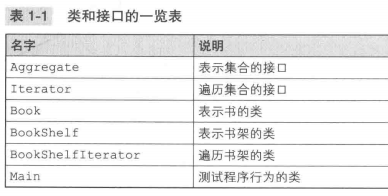
实例程序:将book放置到书架上,并按顺序显示

- public interface Aggregate {
- public abstract Iterator iterator();
- }
- public class Book {
- private String name;
- public Book(String name){
- this.name=name;
- }
- public String getName(){
- return name;
- }
- }
- public class BookShelf implements Aggregate {
- private Book[]books;
- private int last=0;
- public BookShelf(int maxSize){
- this.books=new Book[maxSize];
- }
- public Book getBookAt(int index){
- return books[index];
- }
- public void appendBook(Book book){
- this.books[last]=book;
- last++;
- }
- public int getLength(){
- return last;
- }
- @Override
- public Iterator iterator(){
- return new BookShelfIterator(this);
- }
- }
- public class BookShelfIterator implements Iterator {
- private BookShelf bookShelf;
- private int index;
- public BookShelfIterator(BookShelf bookShelf){
- this.bookShelf=bookShelf;
- this.index=0;
- }
- @Override
- public boolean hasNext(){
- if(index
- else return false;}
- @Override
- public Object next(){
- Book book = bookShelf.getBookAt(index);
- index++;
- return book;
- }
- }
- public interface Iterator {
- public abstract boolean hasNext();
- public abstract Object next();
- }
- public class Main {
- public static void main(String[] args) {
- BookShelf bookShelf=new BookShelf(4);
- bookShelf.appendBook(new Book("a"));
- bookShelf.appendBook(new Book("b"));
- bookShelf.appendBook(new Book("c"));
- Iterator it=bookShelf.iterator();
- while(it.hasNext()){
- Book book =(Book)it.next();
- System.out.println(book.getName());
- }
- }
【角色说明】
【Iterator】定义按顺序逐个遍历元素的接口(API)
【ConcreteIterator】负责实现Iterator角色所定义的接口。该角色中包含了遍历集合所必需的信息
【Aggregate】负责定义创建Iterator角色的接口。里面定义了iterator方法
【ConcreteAggregate】集合

引入Iterator后可以将遍历和实现分离开

这里只使用了Iterator的hasNext方法和next方法,并没有调用BookShelf的方法,就是说不依赖集合的实现。只要具体的集合的iterator方法能正确的返回Iterator实例,不对while做修改也可以。
“可复用”。
“面对接口编程”
【next方法】返回当前元素,并指向下一个元素
【hasNext方法】确认接下来是否可以调用next方法。
【迭代器的种类多种多样】遍历方法可以从前向后,从后向前或者跳跃式遍历
【不需要deleteIterator】java中,没有被使用的对象实例会被自动删除。
手写迭代器模式的注意点

-
相关阅读:
linux查询java进程的指令,查询内存的指令
下拉菜单选择播放视频后如何更改video标签
实习打怪之路:webpack概念【入口、输出、装载机、插件、模块】(引自官网)
SQL的函数
[附源码]JAVA毕业设计高校疫情管理(系统+LW)
网安周报|Mixin Network 云服务商数据库遭到攻击,涉案金额约 2 亿美元
HTML (总结黑马的)
力扣第39题 组合总和 c++ 回溯剪枝题
C++原子变量
《安富莱嵌入式周报》第284期:Matlab2022b发布,支持从 .NET 调用,耳机放大器,牛屎芯片替换,JSON可视化,开源的飞行软件和嵌入式系统框架
- 原文地址:https://blog.csdn.net/m0_52043808/article/details/126721471
