-
十、数据结构——树结构实际应用
树结构实际应用
一、堆排序
1、堆排序基本介绍
- 堆排序是利用堆这种数据结构而设计的一种排序算法,堆排序是一种选择排序,它的最坏,最好,平均时间复杂度均为O(nlogn),它也是不稳定排序。
- 堆是具有以下性质的完全二叉树:每个结点的值都大于或等于其左右孩子结点的值,称为大顶堆, 注意 : 没有要求结点的左孩子的值和右孩子的值的大小关系。
- 每个结点的值都小于或等于其左右孩子结点的值,称为小顶堆
- 大顶堆举例说明

我们对堆中的结点按层进行编号,映射到数组中就是下面这个样子:

大顶堆特点:arr[i] >= arr[2i+1] && arr[i] >= arr[2i+2] // i 对应第几个节点,i从0开始编号 - 小顶堆举例说明

小顶堆:arr[i] <= arr[2i+1] && arr[i] <= arr[2i+2] // i 对应第几个节点,i从0开始编号 - 一般升序采用大顶堆,降序采用小顶堆
2、堆排序基本思想
- 将待排序序列构造成一个大顶堆
- 此时,整个序列的最大值就是堆顶的根节点。
- 将其与末尾元素进行交换,此时末尾就为最大值。
- 然后将剩余n-1个元素重新构造成一个堆,这样会得到n个元素的次小值。如此反复执行,便能得到一个有序序列了。
3、堆排序步骤图解说明
要求:给你一个数组 {4,6,8,5,9} , 要求使用堆排序法,将数组升序排序。
①构造初始堆。将给定无序序列构造成一个大顶堆(一般升序采用大顶堆,降序采用小顶堆)。
- .假设给定无序序列结构如下:

- 此时我们从最后一个非叶子结点开始(叶结点自然不用调整,第一个非叶子结点 arr.length/2-1=5/2-1=1,也就是下面的6结点),从左至右,从下至上进行调整。

3. 找到第二个非叶节点4,由于[4,9,8]中9元素最大,4和9交换。
4. 这时,交换导致了子根[4,5,6]结构混乱,继续调整,[4,5,6]中6最大,交换4和6。
此时,我们就将一个无序序列构造成了一个大顶堆。②将堆顶元素与末尾元素进行交换,使末尾元素最大。然后继续调整堆,再将堆顶元素与末尾元素交换,得到第二大元素。如此反复进行交换、重建、交换。
- 将堆顶元素9和末尾元素4进行交换

- 重新调整结构,使其继续满足堆定义

3. 再将堆顶元素8与末尾元素5进行交换,得到第二大元素8.
- 后续过程,继续进行调整,交换,如此反复进行,最终使得整个序列有序

4、堆排序代码实现
要求:给你一个数组 {4,6,8,5,9} , 要求使用堆排序法,将数组升序排序。
//编写一个堆排序的方法 public static void heapSort(int arr[]) { int temp = 0; System.out.println("堆排序!!"); // //分步完成 // adjustHeap(arr, 1, arr.length); // System.out.println("第一次" + Arrays.toString(arr)); // 4, 9, 8, 5, 6 // // adjustHeap(arr, 0, arr.length); // System.out.println("第2次" + Arrays.toString(arr)); // 9,6,8,5,4 //完成我们最终代码 //将无序序列构建成一个堆,根据升序降序需求选择大顶堆或小顶堆 for(int i = arr.length / 2 -1; i >=0; i--) { adjustHeap(arr, i, arr.length); } /* * 2).将堆顶元素与末尾元素交换,将最大元素"沉"到数组末端; 3).重新调整结构,使其满足堆定义,然后继续交换堆顶元素与当前末尾元素,反复执行调整+交换步骤,直到整个序列有序。 */ for(int j = arr.length-1;j >0; j--) { //交换 temp = arr[j]; arr[j] = arr[0]; arr[0] = temp; adjustHeap(arr, 0, j); } //System.out.println("数组=" + Arrays.toString(arr)); } //将一个数组(二叉树), 调整成一个大顶堆 /** * 功能: 完成 将 以 i 对应的非叶子结点的树调整成大顶堆 * 举例 int arr[] = {4, 6, 8, 5, 9}; => i = 1 => adjustHeap => 得到 {4, 9, 8, 5, 6} * 如果我们再次调用 adjustHeap 传入的是 i = 0 => 得到 {4, 9, 8, 5, 6} => {9,6,8,5, 4} * @param arr 待调整的数组 * @param i 表示非叶子结点在数组中索引 * @param lenght 表示对多少个元素继续调整, length 是在逐渐的减少 */ public static void adjustHeap(int arr[], int i, int lenght) { int temp = arr[i];//先取出当前元素的值,保存在临时变量 //开始调整 //说明 //1. k = i * 2 + 1 k 是 i结点的左子结点 for(int k = i * 2 + 1; k < lenght; k = k * 2 + 1) { if(k+1 < lenght && arr[k] < arr[k+1]) { //说明左子结点的值小于右子结点的值 k++; // k 指向右子结点 } if(arr[k] > temp) { //如果子结点大于父结点 arr[i] = arr[k]; //把较大的值赋给当前结点 i = k; //!!! i 指向 k,继续循环比较 } else { break;//! } } //当for 循环结束后,我们已经将以i 为父结点的树的最大值,放在了 最顶(局部) arr[i] = temp;//将temp值放到调整后的位置 }- 1
- 2
- 3
- 4
- 5
- 6
- 7
- 8
- 9
- 10
- 11
- 12
- 13
- 14
- 15
- 16
- 17
- 18
- 19
- 20
- 21
- 22
- 23
- 24
- 25
- 26
- 27
- 28
- 29
- 30
- 31
- 32
- 33
- 34
- 35
- 36
- 37
- 38
- 39
- 40
- 41
- 42
- 43
- 44
- 45
- 46
- 47
- 48
- 49
- 50
- 51
- 52
- 53
- 54
- 55
- 56
- 57
- 58
- 59
- 60
- 61
- 62
- 63
二、赫夫曼树
1、基本介绍
-
给定n个权值作为n个叶子结点,构造一棵二叉树,若该树的带权路径长度(wpl)达到最小,称这样的二叉树为最优二叉树,也称为哈夫曼树(Huffman Tree), 还有的书翻译为霍夫曼树。
-
赫夫曼树是带权路径长度最短的树,权值较大的结点离根较近。
2、赫夫曼树几个重要概念和举例说明
- 路径和路径长度:在一棵树中,从一个结点往下可以达到的孩子或孙子结点之间的通路,称为路径。通路中分支的数目称为路径长度。若规定根结点的层数为1,则从根结点到第L层结点的路径长度为L-1
- 结点的权及带权路径长度:若将树中结点赋给一个有着某种含义的数值,则这个数值称为该结点的权。结点的带权路径长度为:从根结点到该结点之间的路径长度与该结点的权的乘积

- 树的带权路径长度:树的带权路径长度规定为所有叶子结点的带权路径长度之和,记为WPL(weighted path length) ,权值越大的结点离根结点越近的二叉树才是最优二叉树。
- WPL最小的就是赫夫曼树

3、赫夫曼树创建思路图解
给你一个数列 {13, 7, 8, 3, 29, 6, 1},要求转成一颗赫夫曼树.
构成赫夫曼树的步骤:
- 从小到大进行排序, 将每一个数据,每个数据都是一个节点 , 每个节点可以看成是一颗最简单的二叉树
- 取出根节点权值最小的两颗二叉树
- 组成一颗新的二叉树, 该新的二叉树的根节点的权值是前面两颗二叉树根节点权值的和
- 再将这颗新的二叉树,以根节点的权值大小 再次排序, 不断重复 1-2-3-4 的步骤,直到数列中,所有的数据都被处理,就得到一颗赫夫曼树
排序
{1, 3, 6, 7, 8, 13, 29}①

②

③
④
⑤
⑥
三、赫夫曼编码
1、基本介绍
-
赫夫曼编码也翻译为 哈夫曼编码(Huffman Coding),又称霍夫曼编码,是一种编码方式, 属于一种程序算法
-
赫夫曼编码是赫哈夫曼树在电讯通信中的经典的应用之一。
-
赫夫曼编码广泛地用于数据文件压缩。其压缩率通常在20%~90%之间
-
赫夫曼码是可变字长编码(VLC)的一种。Huffman于1952年提出一种编码方法,称之为最佳编码
2、原理剖析
2.1、通信领域中信息的处理方式1-定长编码
- i like like like java do you like a java // 共40个字符(包括空格)
- 105 32 108 105 107 101 32 108 105 107 101 32 108 105 107 101 32 106 97 118 97 32 100 111 32 121 111 117 32 108 105 107 101 32 97 32 106 97 118 97 //对应Ascii码
- 01101001 00100000 01101100 01101001 01101011 01100101 00100000 01101100 01101001 01101011 01100101 00100000 01101100 01101001 01101011 01100101 00100000 01101010 01100001 01110110 01100001 00100000 01100100 01101111 00100000 01111001 01101111 01110101 00100000 01101100 01101001 01101011 01100101 00100000 01100001 00100000 01101010 01100001 01110110 01100001 //对应的二进制
- 按照二进制来传递信息,总的长度是 359 (包括空格)
2.2、通信领域中信息的处理方式2-变长编码
- i like like like java do you like a java // 共40个字符(包括空格)
- d:1 y:1 u:1 j:2 v:2 o:2 l:4 k:4 e:4 i:5 a:5 :9 // 各个字符对应的个数
- 0= , 1=a, 10=i, 11=e, 100=k, 101=l, 110=o, 111=v, 1000=j, 1001=u, 1010=y, 1011=d 说明:按照各个字符出现的次数进行编码,原则是出现次数越多的,则编码越小,比如 空格出现了9 次, 编码为0 ,其它依次类推.
- 按照上面给各个字符规定的编码,则我们在传输 “i like like like java do you like a java” 数据时,编码就是 10010110100…
- 字符的编码都不能是其他字符编码的前缀,符合此要求的编码叫做前缀编码, 即不能匹配到重复的编码(上述编码有问题,后续修正)
2.3、通信领域中信息的处理方式3-赫夫曼编码
- i like like like java do you like a java // 共40个字符(包括空格)
- d:1 y:1 u:1 j:2 v:2 o:2 l:4 k:4 e:4 i:5 a:5 :9 // 各个字符对应的个数
- 按照上面字符出现的次数构建一颗赫夫曼树, 次数作为权值

- 注意, 这个赫夫曼树根据排序方法不同,也可能不太一样,这样对应的赫夫曼编码也不完全一样,但是wpl 是一样的,都是最小的, 比如: 如果我们让每次生成的新的二叉树总是排在权值相同的二叉树的最后一个,则生成的二叉树为:

3、最佳实践-数据压缩(创建赫夫曼树)
将给出的一段文本,比如 “i like like like java do you like a java” , 根据前面的讲的赫夫曼编码原理,对其进行数据压缩处理 ,形式如 "1010100110111101111010011011110111101001101111011110100001100001110011001111000011001111000100100100110111101111011100100001100001110
"- 根据赫夫曼编码压缩数据的原理,需要创建 “i like like like java do you like a java” 对应的赫夫曼树.
- 生成赫夫曼树对应的赫夫曼编码 , 如下表:=01 a=100 d=11000 u=11001 e=1110 v=11011 i=101 y=11010 j=0010 k=1111 l=000 o=0011
- 使用赫夫曼编码来生成赫夫曼编码数据 ,即按照上面的赫夫曼编码,将"i like like like java do you like a java" 字符串生成对应的编码数据, 形式如下.1010100010111111110010001011111111001000101111111100100101001101110001110000011011101000111100101000101111111100110001001010011011100
4、最佳实践-数据解压(使用赫夫曼编码解码)
- 前面我们得到了赫夫曼编码和对应的编码byte[] , 即:[-88, -65, -56, -65, -56, -65, -55, 77, -57, 6, -24, -14, -117, -4, -60, -90, 28]
- 现在要求使用赫夫曼编码, 进行解码,又重新得到原来的字符串"i like like like java do you like a java"
5、最佳实践-文件压缩、文件解压(文件恢复)
5.1、赫夫曼编码压缩文件注意事项
- 如果文件本身就是经过压缩处理的,那么使用赫夫曼编码再压缩效率不会有明显变化, 比如视频,ppt 等等文件 [举例压一个 .ppt]
- 赫夫曼编码是按字节来处理的,因此可以处理所有的文件(二进制文件、文本文件) [举例压一个.xml文件]
- 如果一个文件中的内容,重复的数据不多,压缩效果也不会很明显.
四、赫夫曼树相关代码
public class HuffmanCode { public static void main(String[] args) { //测试压缩文件 // String srcFile = "d://Uninstall.xml"; // String dstFile = "d://Uninstall.zip"; // // zipFile(srcFile, dstFile); // System.out.println("压缩文件ok~~"); //测试解压文件 String zipFile = "d://Uninstall.zip"; String dstFile = "d://Uninstall2.xml"; unZipFile(zipFile, dstFile); System.out.println("解压成功!"); /* String content = "i like like like java do you like a java"; byte[] contentBytes = content.getBytes(); System.out.println(contentBytes.length); //40 byte[] huffmanCodesBytes= huffmanZip(contentBytes); System.out.println("压缩后的结果是:" + Arrays.toString(huffmanCodesBytes) + " 长度= " + huffmanCodesBytes.length); //测试一把byteToBitString方法 //System.out.println(byteToBitString((byte)1)); byte[] sourceBytes = decode(huffmanCodes, huffmanCodesBytes); System.out.println("原来的字符串=" + new String(sourceBytes)); // "i like like like java do you like a java" */ //如何将 数据进行解压(解码) //分步过程 /* Listnodes = getNodes(contentBytes); System.out.println("nodes=" + nodes); //测试一把,创建的赫夫曼树 System.out.println("赫夫曼树"); Node huffmanTreeRoot = createHuffmanTree(nodes); System.out.println("前序遍历"); huffmanTreeRoot.preOrder(); //测试一把是否生成了对应的赫夫曼编码 Map } //编写一个方法,完成对压缩文件的解压 /** * * @param zipFile 准备解压的文件 * @param dstFile 将文件解压到哪个路径 */ public static void unZipFile(String zipFile, String dstFile) { //定义文件输入流 InputStream is = null; //定义一个对象输入流 ObjectInputStream ois = null; //定义文件的输出流 OutputStream os = null; try { //创建文件输入流 is = new FileInputStream(zipFile); //创建一个和 is关联的对象输入流 ois = new ObjectInputStream(is); //读取byte数组 huffmanBytes byte[] huffmanBytes = (byte[])ois.readObject(); //读取赫夫曼编码表 Map<Byte,String> huffmanCodes = (Map<Byte,String>)ois.readObject(); //解码 byte[] bytes = decode(huffmanCodes, huffmanBytes); //将bytes 数组写入到目标文件 os = new FileOutputStream(dstFile); //写数据到 dstFile 文件 os.write(bytes); } catch (Exception e) { // TODO: handle exception System.out.println(e.getMessage()); } finally { try { os.close(); ois.close(); is.close(); } catch (Exception e2) { // TODO: handle exception System.out.println(e2.getMessage()); } } } //编写方法,将一个文件进行压缩 /** * * @param srcFile 你传入的希望压缩的文件的全路径 * @param dstFile 我们压缩后将压缩文件放到哪个目录 */ public static void zipFile(String srcFile, String dstFile) { //创建输出流 OutputStream os = null; ObjectOutputStream oos = null; //创建文件的输入流 FileInputStream is = null; try { //创建文件的输入流 is = new FileInputStream(srcFile); //创建一个和源文件大小一样的byte[] byte[] b = new byte[is.available()]; //读取文件 is.read(b); //直接对源文件压缩 byte[] huffmanBytes = huffmanZip(b); //创建文件的输出流, 存放压缩文件 os = new FileOutputStream(dstFile); //创建一个和文件输出流关联的ObjectOutputStream oos = new ObjectOutputStream(os); //把 赫夫曼编码后的字节数组写入压缩文件 oos.writeObject(huffmanBytes); //我们是把 //这里我们以对象流的方式写入 赫夫曼编码,是为了以后我们恢复源文件时使用 //注意一定要把赫夫曼编码 写入压缩文件 oos.writeObject(huffmanCodes); }catch (Exception e) { // TODO: handle exception System.out.println(e.getMessage()); }finally { try { is.close(); oos.close(); os.close(); }catch (Exception e) { // TODO: handle exception System.out.println(e.getMessage()); } } } //完成数据的解压 //思路 //1. 将huffmanCodeBytes [-88, -65, -56, -65, -56, -65, -55, 77, -57, 6, -24, -14, -117, -4, -60, -90, 28] // 重写先转成 赫夫曼编码对应的二进制的字符串 "1010100010111..." //2. 赫夫曼编码对应的二进制的字符串 "1010100010111..." =》 对照 赫夫曼编码 =》 "i like like like java do you like a java" //编写一个方法,完成对压缩数据的解码 /** * * @param huffmanCodes 赫夫曼编码表 map * @param huffmanBytes 赫夫曼编码得到的字节数组 * @return 就是原来的字符串对应的数组 */ private static byte[] decode(Map<Byte,String> huffmanCodes, byte[] huffmanBytes) { //1. 先得到 huffmanBytes 对应的 二进制的字符串 , 形式 1010100010111... StringBuilder stringBuilder = new StringBuilder(); //将byte数组转成二进制的字符串 for(int i = 0; i < huffmanBytes.length; i++) { byte b = huffmanBytes[i]; //判断是不是最后一个字节 boolean flag = (i == huffmanBytes.length - 1); stringBuilder.append(byteToBitString(!flag, b)); } //把字符串安装指定的赫夫曼编码进行解码 //把赫夫曼编码表进行调换,因为反向查询 a->100 100->a Map<String, Byte> map = new HashMap<String,Byte>(); for(Map.Entry<Byte, String> entry: huffmanCodes.entrySet()) { map.put(entry.getValue(), entry.getKey()); } //创建要给集合,存放byte List<Byte> list = new ArrayList<>(); //i 可以理解成就是索引,扫描 stringBuilder for(int i = 0; i < stringBuilder.length(); ) { int count = 1; // 小的计数器 boolean flag = true; Byte b = null; while(flag) { //1010100010111... //递增的取出 key 1 String key = stringBuilder.substring(i, i+count);//i 不动,让count移动,指定匹配到一个字符 b = map.get(key); if(b == null) {//说明没有匹配到 count++; }else { //匹配到 flag = false; } } list.add(b); i += count;//i 直接移动到 count } //当for循环结束后,我们list中就存放了所有的字符 "i like like like java do you like a java" //把list 中的数据放入到byte[] 并返回 byte b[] = new byte[list.size()]; for(int i = 0;i < b.length; i++) { b[i] = list.get(i); } return b; } /** * 将一个byte 转成一个二进制的字符串, 如果看不懂,可以参考我讲的Java基础 二进制的原码,反码,补码 * @param b 传入的 byte * @param flag 标志是否需要补高位如果是true ,表示需要补高位,如果是false表示不补, 如果是最后一个字节,无需补高位 * @return 是该b 对应的二进制的字符串,(注意是按补码返回) */ private static String byteToBitString(boolean flag, byte b) { //使用变量保存 b int temp = b; //将 b 转成 int //如果是正数我们还存在补高位 if(flag) { temp |= 256; //按位与 256 1 0000 0000 | 0000 0001 => 1 0000 0001 } String str = Integer.toBinaryString(temp); //返回的是temp对应的二进制的补码 if(flag) { return str.substring(str.length() - 8); } else { return str; } } //使用一个方法,将前面的方法封装起来,便于我们的调用. /** * * @param bytes 原始的字符串对应的字节数组 * @return 是经过 赫夫曼编码处理后的字节数组(压缩后的数组) */ private static byte[] huffmanZip(byte[] bytes) { List<Node> nodes = getNodes(bytes); //根据 nodes 创建的赫夫曼树 Node huffmanTreeRoot = createHuffmanTree(nodes); //对应的赫夫曼编码(根据 赫夫曼树) Map<Byte, String> huffmanCodes = getCodes(huffmanTreeRoot); //根据生成的赫夫曼编码,压缩得到压缩后的赫夫曼编码字节数组 byte[] huffmanCodeBytes = zip(bytes, huffmanCodes); return huffmanCodeBytes; } //编写一个方法,将字符串对应的byte[] 数组,通过生成的赫夫曼编码表,返回一个赫夫曼编码 压缩后的byte[] /** * * @param bytes 这时原始的字符串对应的 byte[] * @param huffmanCodes 生成的赫夫曼编码map * @return 返回赫夫曼编码处理后的 byte[] * 举例: String content = "i like like like java do you like a java"; =》 byte[] contentBytes = content.getBytes(); * 返回的是 字符串 "1010100010111111110010001011111111001000101111111100100101001101110001110000011011101000111100101000101111111100110001001010011011100" * => 对应的 byte[] huffmanCodeBytes ,即 8位对应一个 byte,放入到 huffmanCodeBytes * huffmanCodeBytes[0] = 10101000(补码) => byte [推导 10101000=> 10101000 - 1 => 10100111(反码)=> 11011000= -88 ] * huffmanCodeBytes[1] = -88 */ private static byte[] zip(byte[] bytes, Map<Byte, String> huffmanCodes) { //1.利用 huffmanCodes 将 bytes 转成 赫夫曼编码对应的字符串 StringBuilder stringBuilder = new StringBuilder(); //遍历bytes 数组 for(byte b: bytes) { stringBuilder.append(huffmanCodes.get(b)); } //System.out.println("测试 stringBuilder~~~=" + stringBuilder.toString()); //将 "1010100010111111110..." 转成 byte[] //统计返回 byte[] huffmanCodeBytes 长度 //一句话 int len = (stringBuilder.length() + 7) / 8; int len; if(stringBuilder.length() % 8 == 0) { len = stringBuilder.length() / 8; } else { len = stringBuilder.length() / 8 + 1; } //创建 存储压缩后的 byte数组 byte[] huffmanCodeBytes = new byte[len]; int index = 0;//记录是第几个byte for (int i = 0; i < stringBuilder.length(); i += 8) { //因为是每8位对应一个byte,所以步长 +8 String strByte; if(i+8 > stringBuilder.length()) {//不够8位 strByte = stringBuilder.substring(i); }else{ strByte = stringBuilder.substring(i, i + 8); } //将strByte 转成一个byte,放入到 huffmanCodeBytes huffmanCodeBytes[index] = (byte)Integer.parseInt(strByte, 2); index++; } return huffmanCodeBytes; } //生成赫夫曼树对应的赫夫曼编码 //思路: //1. 将赫夫曼编码表存放在 Map- 1
- 2
- 3
- 4
- 5
- 6
- 7
- 8
- 9
- 10
- 11
- 12
- 13
- 14
- 15
- 16
- 17
- 18
- 19
- 20
- 21
- 22
- 23
- 24
- 25
- 26
- 27
- 28
- 29
- 30
- 31
- 32
- 33
- 34
- 35
- 36
- 37
- 38
- 39
- 40
- 41
- 42
- 43
- 44
- 45
- 46
- 47
- 48
- 49
- 50
- 51
- 52
- 53
- 54
- 55
- 56
- 57
- 58
- 59
- 60
- 61
- 62
- 63
- 64
- 65
- 66
- 67
- 68
- 69
- 70
- 71
- 72
- 73
- 74
- 75
- 76
- 77
- 78
- 79
- 80
- 81
- 82
- 83
- 84
- 85
- 86
- 87
- 88
- 89
- 90
- 91
- 92
- 93
- 94
- 95
- 96
- 97
- 98
- 99
- 100
- 101
- 102
- 103
- 104
- 105
- 106
- 107
- 108
- 109
- 110
- 111
- 112
- 113
- 114
- 115
- 116
- 117
- 118
- 119
- 120
- 121
- 122
- 123
- 124
- 125
- 126
- 127
- 128
- 129
- 130
- 131
- 132
- 133
- 134
- 135
- 136
- 137
- 138
- 139
- 140
- 141
- 142
- 143
- 144
- 145
- 146
- 147
- 148
- 149
- 150
- 151
- 152
- 153
- 154
- 155
- 156
- 157
- 158
- 159
- 160
- 161
- 162
- 163
- 164
- 165
- 166
- 167
- 168
- 169
- 170
- 171
- 172
- 173
- 174
- 175
- 176
- 177
- 178
- 179
- 180
- 181
- 182
- 183
- 184
- 185
- 186
- 187
- 188
- 189
- 190
- 191
- 192
- 193
- 194
- 195
- 196
- 197
- 198
- 199
- 200
- 201
- 202
- 203
- 204
- 205
- 206
- 207
- 208
- 209
- 210
- 211
- 212
- 213
- 214
- 215
- 216
- 217
- 218
- 219
- 220
- 221
- 222
- 223
- 224
- 225
- 226
- 227
- 228
- 229
- 230
- 231
- 232
- 233
- 234
- 235
- 236
- 237
- 238
- 239
- 240
- 241
- 242
- 243
- 244
- 245
- 246
- 247
- 248
- 249
- 250
- 251
- 252
- 253
- 254
- 255
- 256
- 257
- 258
- 259
- 260
- 261
- 262
- 263
- 264
- 265
- 266
- 267
- 268
- 269
- 270
- 271
- 272
- 273
- 274
- 275
- 276
- 277
- 278
- 279
- 280
- 281
- 282
- 283
- 284
- 285
- 286
- 287
- 288
- 289
- 290
- 291
- 292
- 293
- 294
- 295
- 296
- 297
- 298
- 299
- 300
- 301
- 302
- 303
- 304
- 305
- 306
- 307
- 308
- 309
- 310
- 311
- 312
- 313
- 314
- 315
- 316
- 317
- 318
- 319
- 320
- 321
- 322
- 323
- 324
- 325
- 326
- 327
- 328
- 329
- 330
- 331
- 332
- 333
- 334
- 335
- 336
- 337
- 338
- 339
- 340
- 341
- 342
- 343
- 344
- 345
- 346
- 347
- 348
- 349
- 350
- 351
- 352
- 353
- 354
- 355
- 356
- 357
- 358
- 359
- 360
- 361
- 362
- 363
- 364
- 365
- 366
- 367
- 368
- 369
- 370
- 371
- 372
- 373
- 374
- 375
- 376
- 377
- 378
- 379
- 380
- 381
- 382
- 383
- 384
- 385
- 386
- 387
- 388
- 389
- 390
- 391
- 392
- 393
- 394
- 395
- 396
- 397
- 398
- 399
- 400
- 401
- 402
- 403
- 404
- 405
- 406
- 407
- 408
- 409
- 410
- 411
- 412
- 413
- 414
- 415
- 416
- 417
- 418
- 419
- 420
- 421
- 422
- 423
- 424
- 425
- 426
- 427
- 428
- 429
- 430
- 431
- 432
- 433
- 434
- 435
- 436
- 437
- 438
- 439
- 440
- 441
- 442
- 443
- 444
- 445
- 446
- 447
- 448
- 449
- 450
- 451
- 452
- 453
- 454
- 455
- 456
- 457
- 458
- 459
- 460
- 461
五、二叉排序树
先看一个需求
给你一个数列 (7, 3, 10, 12, 5, 1, 9),要求能够高效的完成对数据的查询和添加
解决方案分析
-
使用数组
数组未排序, 优点:直接在数组尾添加,速度快。 缺点:查找速度慢. [示意图]
数组排序,优点:可以使用二分查找,查找速度快,缺点:为了保证数组有序,在添加新数据时,找到插入位置后,后面的数据需整体移动,速度慢。[示意图] -
使用链式存储-链表不管链表是否有序,查找速度都慢,添加数据速度比数组快,不需要数据整体移动。[示意图]
-
使用二叉排序树
1、二叉排序树介绍
-
二叉排序树:BST: (Binary Sort(Search) Tree), 对于二叉排序树的任何一个非叶子节点,要求左子节点的值比当前节点的值小,右子节点的值比当前节点的值大。
-
特别说明:如果有相同的值,可以将该节点放在左子节点或右子节点
-
比如针对前面的数据 (7, 3, 10, 12, 5, 1, 9) ,对应的二叉排序树为:

2、二叉排序树创建和遍历
一个数组创建成对应的二叉排序树,并使用中序遍历二叉排序树,比如: 数组为 Array(7, 3, 10, 12, 5, 1, 9) , 创建成对应的二叉排序树为 :

3、二叉排序树的删除
二叉排序树的删除情况比较复杂,有下面三种情况需要考虑
- 删除叶子节点 (比如:2, 5, 9, 12)
- 删除只有一颗子树的节点 (比如:1)
- 删除有两颗子树的节点. (比如:7, 3,10 )

4、源码
public class BinarySortTreeDemo { public static void main(String[] args) { int[] arr = {7, 3, 11, 12, 5, 1, 9,2,10}; BinarySortTree binarySortTree = new BinarySortTree(); //循环的添加结点到二叉排序树 for(int i = 0; i< arr.length; i++) { binarySortTree.add(new Node(arr[i])); } //中序遍历二叉排序树 System.out.println("中序遍历二叉排序树~"); binarySortTree.infixOrder(); // 1, 3, 5, 7, 9, 10, 12 //测试一下删除叶子结点 // binarySortTree.delNode(12); // // // binarySortTree.delNode(5); // binarySortTree.delNode(10); // binarySortTree.delNode(2); // binarySortTree.delNode(3); // // binarySortTree.delNode(9); // binarySortTree.delNode(1); binarySortTree.delNode(7); // System.out.println("root=" + binarySortTree.getRoot()); // // System.out.println("删除结点后"); binarySortTree.infixOrder(); } } //创建二叉排序树 class BinarySortTree { private Node root; public Node getRoot() { return root; } //查找要删除的结点 public Node search(int value) { if(root == null) { return null; } else { return root.search(value); } } //查找父结点 public Node searchParent(int value) { if(root == null) { return null; } else { return root.searchParent(value); } } //编写方法: 从右子树找最小的 //1. 返回的 以node 为根结点的二叉排序树的最小结点的值 //2. 删除node 为根结点的二叉排序树的最小结点 /** * * @param node 传入的结点(当做二叉排序树的根结点) * @return 返回的 以node 为根结点的二叉排序树的最小结点的值 */ public int delRightTreeMin(Node node) { Node target = node; //循环的查找左子节点,就会找到最小值 while(target.left != null) { target = target.left; } //这时 target就指向了最小结点 //删除最小结点 delNode(target.value); return target.value; } //编写方法: 从左子树找最大的 //1. 返回的 以node 为根结点的二叉排序树的最小结点的值 //2. 删除node 为根结点的二叉排序树的最小结点 /** * * @param node 传入的结点(当做二叉排序树的根结点) * @return 返回的 以node 为根结点的二叉排序树的最小结点的值 */ public int delLeftTreeMin(Node node) { Node target = node; //循环的查找左子节点,就会找到最小值 while(target.right != null) { target = target.right; } //这时 target就指向了最小结点 //删除最小结点 delNode(target.value); return target.value; } //删除结点 public void delNode(int value) { if(root == null) { return; }else { //1.需求先去找到要删除的结点 targetNode Node targetNode = search(value); //如果没有找到要删除的结点 if(targetNode == null) { return; } //如果我们发现当前这颗二叉排序树只有一个结点 if(root.left == null && root.right == null) { root = null; return; } //去找到targetNode的父结点 Node parent = searchParent(value); //如果要删除的结点是叶子结点 if(targetNode.left == null && targetNode.right == null) { //判断targetNode 是父结点的左子结点,还是右子结点 if(parent.left != null && parent.left.value == value) { //是左子结点 parent.left = null; } else if (parent.right != null && parent.right.value == value) {//是由子结点 parent.right = null; } } else if (targetNode.left != null && targetNode.right != null) { //删除有两颗子树的节点 // int minVal = delRightTreeMin(targetNode.right); int minVal = delLeftTreeMin(targetNode.left); targetNode.value = minVal; } else { // 删除只有一颗子树的结点 //如果要删除的结点有左子结点 if(targetNode.left != null) { if(parent != null) { //如果 targetNode 是 parent 的左子结点 if(parent.left.value == value) { parent.left = targetNode.left; } else { // targetNode 是 parent 的右子结点 parent.right = targetNode.left; } } else { root = targetNode.left; } } else { //如果要删除的结点有右子结点 if(parent != null) { //如果 targetNode 是 parent 的左子结点 if(parent.left.value == value) { parent.left = targetNode.right; } else { //如果 targetNode 是 parent 的右子结点 parent.right = targetNode.right; } } else { root = targetNode.right; } } } } } //添加结点的方法 public void add(Node node) { if(root == null) { root = node;//如果root为空则直接让root指向node } else { root.add(node); } } //中序遍历 public void infixOrder() { if(root != null) { root.infixOrder(); } else { System.out.println("二叉排序树为空,不能遍历"); } } } //创建Node结点 class Node { int value; Node left; Node right; public Node(int value) { this.value = value; } //查找要删除的结点 /** * * @param value 希望删除的结点的值 * @return 如果找到返回该结点,否则返回null */ public Node search(int value) { if(value == this.value) { //找到就是该结点 return this; } else if(value < this.value) {//如果查找的值小于当前结点,向左子树递归查找 //如果左子结点为空 if(this.left == null) { return null; } return this.left.search(value); } else { //如果查找的值不小于当前结点,向右子树递归查找 if(this.right == null) { return null; } return this.right.search(value); } } //查找要删除结点的父结点 /** * * @param value 要找到的结点的值 * @return 返回的是要删除的结点的父结点,如果没有就返回null */ public Node searchParent(int value) { //如果当前结点就是要删除的结点的父结点,就返回 if((this.left != null && this.left.value == value) || (this.right != null && this.right.value == value)) { return this; } else { //如果查找的值小于当前结点的值, 并且当前结点的左子结点不为空 if(value < this.value && this.left != null) { return this.left.searchParent(value); //向左子树递归查找 } else if (value >= this.value && this.right != null) { return this.right.searchParent(value); //向右子树递归查找 } else { return null; // 没有找到父结点 } } } @Override public String toString() { return "Node [value=" + value + "]"; } //添加结点的方法 //递归的形式添加结点,注意需要满足二叉排序树的要求 public void add(Node node) { if(node == null) { return; } //判断传入的结点的值,和当前子树的根结点的值关系 if(node.value < this.value) { //如果当前结点左子结点为null if(this.left == null) { this.left = node; } else { //递归的向左子树添加 this.left.add(node); } } else { //添加的结点的值大于 当前结点的值 if(this.right == null) { this.right = node; } else { //递归的向右子树添加 this.right.add(node); } } } //中序遍历 public void infixOrder() { if(this.left != null) { this.left.infixOrder(); } System.out.println(this); if(this.right != null) { this.right.infixOrder(); } } }- 1
- 2
- 3
- 4
- 5
- 6
- 7
- 8
- 9
- 10
- 11
- 12
- 13
- 14
- 15
- 16
- 17
- 18
- 19
- 20
- 21
- 22
- 23
- 24
- 25
- 26
- 27
- 28
- 29
- 30
- 31
- 32
- 33
- 34
- 35
- 36
- 37
- 38
- 39
- 40
- 41
- 42
- 43
- 44
- 45
- 46
- 47
- 48
- 49
- 50
- 51
- 52
- 53
- 54
- 55
- 56
- 57
- 58
- 59
- 60
- 61
- 62
- 63
- 64
- 65
- 66
- 67
- 68
- 69
- 70
- 71
- 72
- 73
- 74
- 75
- 76
- 77
- 78
- 79
- 80
- 81
- 82
- 83
- 84
- 85
- 86
- 87
- 88
- 89
- 90
- 91
- 92
- 93
- 94
- 95
- 96
- 97
- 98
- 99
- 100
- 101
- 102
- 103
- 104
- 105
- 106
- 107
- 108
- 109
- 110
- 111
- 112
- 113
- 114
- 115
- 116
- 117
- 118
- 119
- 120
- 121
- 122
- 123
- 124
- 125
- 126
- 127
- 128
- 129
- 130
- 131
- 132
- 133
- 134
- 135
- 136
- 137
- 138
- 139
- 140
- 141
- 142
- 143
- 144
- 145
- 146
- 147
- 148
- 149
- 150
- 151
- 152
- 153
- 154
- 155
- 156
- 157
- 158
- 159
- 160
- 161
- 162
- 163
- 164
- 165
- 166
- 167
- 168
- 169
- 170
- 171
- 172
- 173
- 174
- 175
- 176
- 177
- 178
- 179
- 180
- 181
- 182
- 183
- 184
- 185
- 186
- 187
- 188
- 189
- 190
- 191
- 192
- 193
- 194
- 195
- 196
- 197
- 198
- 199
- 200
- 201
- 202
- 203
- 204
- 205
- 206
- 207
- 208
- 209
- 210
- 211
- 212
- 213
- 214
- 215
- 216
- 217
- 218
- 219
- 220
- 221
- 222
- 223
- 224
- 225
- 226
- 227
- 228
- 229
- 230
- 231
- 232
- 233
- 234
- 235
- 236
- 237
- 238
- 239
- 240
- 241
- 242
- 243
- 244
- 245
- 246
- 247
- 248
- 249
- 250
- 251
- 252
- 253
- 254
- 255
- 256
- 257
- 258
- 259
- 260
- 261
- 262
- 263
- 264
- 265
- 266
- 267
- 268
- 269
- 270
- 271
- 272
- 273
- 274
- 275
- 276
- 277
- 278
- 279
- 280
- 281
- 282
- 283
- 284
- 285
- 286
- 287
- 288
- 289
- 290
- 291
- 292
- 293
- 294
- 295
- 296
六、平衡二叉树(AVL树)
看一个案例(说明二叉排序树可能的问题)
给你一个数列{1,2,3,4,5,6},要求创建一颗二叉排序树(BST), 并分析问题所在.

上边BST 存在的问题分析:- 左子树全部为空,从形式上看,更像一个单链表.
- 插入速度没有影响
- 查询速度明显降低(因为需要依次比较), 不能发挥BST的优势,因为每次还需要比较左子树,其查询速度比单链表还慢
- 解决方案-平衡二叉树(AVL)
1、基本介绍
- 平衡二叉树也叫平衡二叉搜索树(Self-balancing binary search tree)又被称为AVL树, 可以保证查询效率较高。
- 具有以下特点:它是一 棵空树或它的左右两个子树的高度差的绝对值不超过1,并且左右两个子树都是一棵平衡二叉树。平衡二叉树的常用实现方法有红黑树、AVL、替罪羊树、Treap、伸展树等
2、应用案例-单旋转(左旋转)


3、应用案例-单旋转(右旋转)

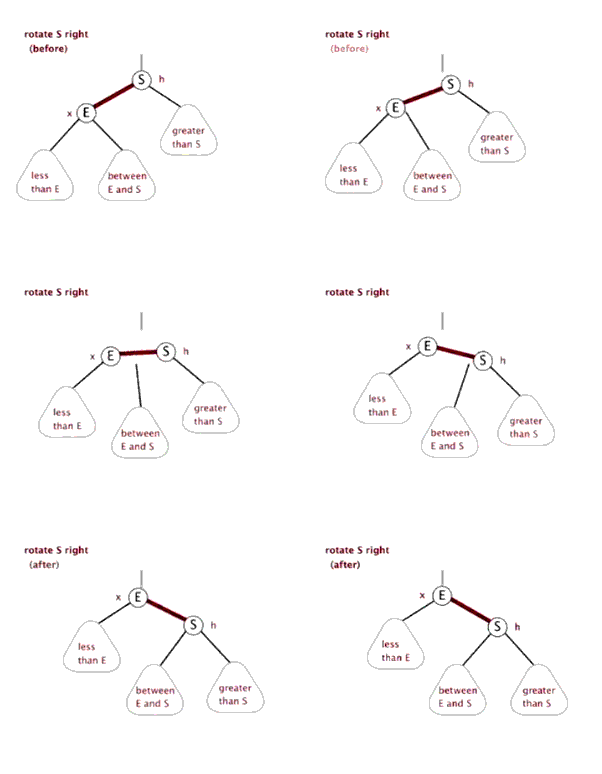
4、应用案例-双旋转
前面的两个数列,进行单旋转(即一次旋转)就可以将非平衡二叉树转成平衡二叉树,但是在某些情况下,单旋转不能完成平衡二叉树的转换
4.1 问题分析

结论:
在满足右旋转条件时,要判断- 如果 是 左子树的 右子树高度 大于左子树的左子树时:
- 就是 对 当前根节点的左子树,先进行 左旋转,
- 然后, 在对当前根节点进行右旋转即可
否则,直接对当前节点(根节点)进行右旋转.即可.
4.2 双旋转

5 、源码
package com.atguigu.binarysorttree; public class BinarySortTreeDemo { public static void main(String[] args) { int[] arr = {7, 3, 11, 12, 5, 1, 9,2,10}; BinarySortTree binarySortTree = new BinarySortTree(); //循环的添加结点到二叉排序树 for(int i = 0; i< arr.length; i++) { binarySortTree.add(new Node(arr[i])); } //中序遍历二叉排序树 System.out.println("中序遍历二叉排序树~"); binarySortTree.infixOrder(); // 1, 3, 5, 7, 9, 10, 12 //测试一下删除叶子结点 // binarySortTree.delNode(12); // // // binarySortTree.delNode(5); // binarySortTree.delNode(10); // binarySortTree.delNode(2); // binarySortTree.delNode(3); // // binarySortTree.delNode(9); // binarySortTree.delNode(1); binarySortTree.delNode(7); // System.out.println("root=" + binarySortTree.getRoot()); // // System.out.println("删除结点后"); binarySortTree.infixOrder(); } } //创建二叉排序树 class BinarySortTree { private Node root; public Node getRoot() { return root; } //查找要删除的结点 public Node search(int value) { if(root == null) { return null; } else { return root.search(value); } } //查找父结点 public Node searchParent(int value) { if(root == null) { return null; } else { return root.searchParent(value); } } //编写方法: 从右子树找最小的 //1. 返回的 以node 为根结点的二叉排序树的最小结点的值 //2. 删除node 为根结点的二叉排序树的最小结点 /** * * @param node 传入的结点(当做二叉排序树的根结点) * @return 返回的 以node 为根结点的二叉排序树的最小结点的值 */ public int delRightTreeMin(Node node) { Node target = node; //循环的查找左子节点,就会找到最小值 while(target.left != null) { target = target.left; } //这时 target就指向了最小结点 //删除最小结点 delNode(target.value); return target.value; } //编写方法: 从左子树找最大的 //1. 返回的 以node 为根结点的二叉排序树的最小结点的值 //2. 删除node 为根结点的二叉排序树的最小结点 /** * * @param node 传入的结点(当做二叉排序树的根结点) * @return 返回的 以node 为根结点的二叉排序树的最小结点的值 */ public int delLeftTreeMin(Node node) { Node target = node; //循环的查找左子节点,就会找到最小值 while(target.right != null) { target = target.right; } //这时 target就指向了最小结点 //删除最小结点 delNode(target.value); return target.value; } //删除结点 public void delNode(int value) { if(root == null) { return; }else { //1.需求先去找到要删除的结点 targetNode Node targetNode = search(value); //如果没有找到要删除的结点 if(targetNode == null) { return; } //如果我们发现当前这颗二叉排序树只有一个结点 if(root.left == null && root.right == null) { root = null; return; } //去找到targetNode的父结点 Node parent = searchParent(value); //如果要删除的结点是叶子结点 if(targetNode.left == null && targetNode.right == null) { //判断targetNode 是父结点的左子结点,还是右子结点 if(parent.left != null && parent.left.value == value) { //是左子结点 parent.left = null; } else if (parent.right != null && parent.right.value == value) {//是右子结点 parent.right = null; } } else if (targetNode.left != null && targetNode.right != null) { //删除有两颗子树的节点 // int minVal = delRightTreeMin(targetNode.right); int minVal = delLeftTreeMin(targetNode.left); targetNode.value = minVal; } else { // 删除只有一颗子树的结点 //如果要删除的结点有左子结点 if(targetNode.left != null) { if(parent != null) { //如果 targetNode 是 parent 的左子结点 if(parent.left.value == value) { parent.left = targetNode.left; } else { // targetNode 是 parent 的右子结点 parent.right = targetNode.left; } } else { root = targetNode.left; } } else { //如果要删除的结点有右子结点 if(parent != null) { //如果 targetNode 是 parent 的左子结点 if(parent.left.value == value) { parent.left = targetNode.right; } else { //如果 targetNode 是 parent 的右子结点 parent.right = targetNode.right; } } else { root = targetNode.right; } } } } } //添加结点的方法 public void add(Node node) { if(root == null) { root = node;//如果root为空则直接让root指向node } else { root.add(node); } } //中序遍历 public void infixOrder() { if(root != null) { root.infixOrder(); } else { System.out.println("二叉排序树为空,不能遍历"); } } } //创建Node结点 class Node { int value; Node left; Node right; public Node(int value) { this.value = value; } //查找要删除的结点 /** * * @param value 希望删除的结点的值 * @return 如果找到返回该结点,否则返回null */ public Node search(int value) { if(value == this.value) { //找到就是该结点 return this; } else if(value < this.value) {//如果查找的值小于当前结点,向左子树递归查找 //如果左子结点为空 if(this.left == null) { return null; } return this.left.search(value); } else { //如果查找的值不小于当前结点,向右子树递归查找 if(this.right == null) { return null; } return this.right.search(value); } } //查找要删除结点的父结点 /** * * @param value 要找到的结点的值 * @return 返回的是要删除的结点的父结点,如果没有就返回null */ public Node searchParent(int value) { //如果当前结点就是要删除的结点的父结点,就返回 if((this.left != null && this.left.value == value) || (this.right != null && this.right.value == value)) { return this; } else { //如果查找的值小于当前结点的值, 并且当前结点的左子结点不为空 if(value < this.value && this.left != null) { return this.left.searchParent(value); //向左子树递归查找 } else if (value >= this.value && this.right != null) { return this.right.searchParent(value); //向右子树递归查找 } else { return null; // 没有找到父结点 } } } @Override public String toString() { return "Node [value=" + value + "]"; } //添加结点的方法 //递归的形式添加结点,注意需要满足二叉排序树的要求 public void add(Node node) { if(node == null) { return; } //判断传入的结点的值,和当前子树的根结点的值关系 if(node.value < this.value) { //如果当前结点左子结点为null if(this.left == null) { this.left = node; } else { //递归的向左子树添加 this.left.add(node); } } else { //添加的结点的值大于 当前结点的值 if(this.right == null) { this.right = node; } else { //递归的向右子树添加 this.right.add(node); } } } //中序遍历 public void infixOrder() { if(this.left != null) { this.left.infixOrder(); } System.out.println(this); if(this.right != null) { this.right.infixOrder(); } } }- 1
- 2
- 3
- 4
- 5
- 6
- 7
- 8
- 9
- 10
- 11
- 12
- 13
- 14
- 15
- 16
- 17
- 18
- 19
- 20
- 21
- 22
- 23
- 24
- 25
- 26
- 27
- 28
- 29
- 30
- 31
- 32
- 33
- 34
- 35
- 36
- 37
- 38
- 39
- 40
- 41
- 42
- 43
- 44
- 45
- 46
- 47
- 48
- 49
- 50
- 51
- 52
- 53
- 54
- 55
- 56
- 57
- 58
- 59
- 60
- 61
- 62
- 63
- 64
- 65
- 66
- 67
- 68
- 69
- 70
- 71
- 72
- 73
- 74
- 75
- 76
- 77
- 78
- 79
- 80
- 81
- 82
- 83
- 84
- 85
- 86
- 87
- 88
- 89
- 90
- 91
- 92
- 93
- 94
- 95
- 96
- 97
- 98
- 99
- 100
- 101
- 102
- 103
- 104
- 105
- 106
- 107
- 108
- 109
- 110
- 111
- 112
- 113
- 114
- 115
- 116
- 117
- 118
- 119
- 120
- 121
- 122
- 123
- 124
- 125
- 126
- 127
- 128
- 129
- 130
- 131
- 132
- 133
- 134
- 135
- 136
- 137
- 138
- 139
- 140
- 141
- 142
- 143
- 144
- 145
- 146
- 147
- 148
- 149
- 150
- 151
- 152
- 153
- 154
- 155
- 156
- 157
- 158
- 159
- 160
- 161
- 162
- 163
- 164
- 165
- 166
- 167
- 168
- 169
- 170
- 171
- 172
- 173
- 174
- 175
- 176
- 177
- 178
- 179
- 180
- 181
- 182
- 183
- 184
- 185
- 186
- 187
- 188
- 189
- 190
- 191
- 192
- 193
- 194
- 195
- 196
- 197
- 198
- 199
- 200
- 201
- 202
- 203
- 204
- 205
- 206
- 207
- 208
- 209
- 210
- 211
- 212
- 213
- 214
- 215
- 216
- 217
- 218
- 219
- 220
- 221
- 222
- 223
- 224
- 225
- 226
- 227
- 228
- 229
- 230
- 231
- 232
- 233
- 234
- 235
- 236
- 237
- 238
- 239
- 240
- 241
- 242
- 243
- 244
- 245
- 246
- 247
- 248
- 249
- 250
- 251
- 252
- 253
- 254
- 255
- 256
- 257
- 258
- 259
- 260
- 261
- 262
- 263
- 264
- 265
- 266
- 267
- 268
- 269
- 270
- 271
- 272
- 273
- 274
- 275
- 276
- 277
- 278
- 279
- 280
- 281
- 282
- 283
- 284
- 285
- 286
- 287
- 288
- 289
- 290
- 291
- 292
- 293
- 294
- 295
- 296
- 297
- 298
-
相关阅读:
黑马瑞吉外卖之员工账号的禁用和启用以及编辑修改
第四章 文件管理 四、文件的物理结构(文件分配方式)
小技巧--使用异或来替换原本的常量交换
教育培训机构投诉无果?中创教育说试试这样维权
golang设计模式——创建模式
redisson之分布式锁实现原理(三)
51单片机用IIc控制OLED显示数组内容
离线地图二次开发(支持所有地图源)
useWindowPrint 自定义的打印HOOK
使用vscode调试ffmpeg源码
- 原文地址:https://blog.csdn.net/rookie_lbt/article/details/126260629
