-
LinkedList与链表
目录
我的GitHub:Powerveil · GitHub
我的Gitee:Powercs12 (powercs12) - Gitee.com
皮卡丘每天学Java
1.链表
链表也是线性表的一种。
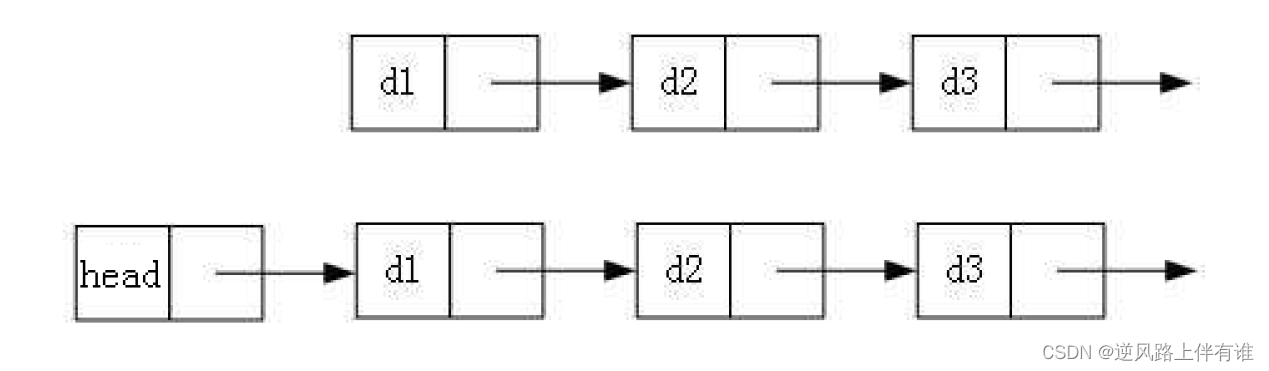
链表是一种物理存储结构上非连续存储结构,数据元素的逻辑顺序是通过链表中的引用链接次序实现的 。

注意:
-
从上图可以看出,链式结构在逻辑上是连续的,但是在物理上不一定连续
-
现实中的结点一般都是从堆上申请出来
-
从堆上申请的空间,是按照一定的策略来分配的,两次申请的空间可能连续,也可能不连续
实际中链表的结构非常多样,以下情况组合起来就有8种链表结构:
1. 单向或者双向

2. 带头或者不带头
3. 循环或者非循环

虽然有这么多的链表的结构,但是我们重点掌握两种:
- 无头单向非循环链表:结构简单,一般不会单独用来存数据。实际中更多是作为其他数据结构的子结构,如哈希桶、图的邻接表等等。另外这种结构在笔试面试中出现很多。
- 无头双向链表:在Java的集合框架库中LinkedList底层实现就是无头双向循环链表。

2.链表的模拟实现
- public class TestSingleList {
- public ListNode head;
- static class ListNode {
- public int val;
- public ListNode next;
- public ListNode(int val) {
- this.val = val;
- }
- }
- public void display() {
- ListNode cur = head;
- while (cur != null) {
- System.out.printf(cur.val + " ");
- cur = cur.next;
- }
- System.out.println();
- }
- public void display(ListNode node) {
- ListNode cur = node;
- while (cur != null) {
- System.out.printf(cur.val + " ");
- cur = cur.next;
- }
- System.out.println();
- }
- //查找是否包含关键字key是否在单链表中
- public boolean contains(int key) {
- ListNode cur = head;
- while (cur != null) {
- if (cur.val == key) return true;
- cur = cur.next;
- }
- return false;
- }
- //得到单链表的长度
- public int size() {
- ListNode cur = head;
- int count = 0;
- while (cur != null) {
- count++;
- cur = cur.next;
- }
- return count;
- }
- //头插法:O(1)
- public void addFirst(int data) {
- ListNode node = new ListNode(data);
- node.next = head;
- head = node;
- }
- //尾插法:O(n)
- public void addLast(int data) {
- ListNode node = new ListNode(data);
- if (head == null) {
- head = node;
- } else {
- ListNode cur = head;
- while (cur.next != null) {
- cur = cur.next;
- }
- cur.next = node;
- }
- }
- private void checkIndex(int index) {
- if (index < 0 || index > size()) {
- throw new IndexNotLegalException("index的值不合法");
- }
- }
- //任意位置插入,第一个数据节点0号下标
- public void addIndex(int index, int data) {
- checkIndex(index);
- //下标为0是头插
- if (index == 0) {
- addFirst(data);
- }
- //下标为size是尾插
- if (index == size()) {
- addLast(data);
- }
- //中间插
- ListNode node = new ListNode(data);
- ListNode cur = findIndex(index - 1);
- node.next = cur.next;
- cur.next = node;
- }
- //找到指定下标节点
- public ListNode findIndex(int index) {
- ListNode cur = head;
- while (index > 0) {
- cur = cur.next;
- index--;
- }
- return cur;
- }
- //删除第一次出现关键字为key的节点
- public void remove(int key) {
- // if (head == null) {
- // throw new RuntimeException("链表没有元素不可以删除");
- // }
- if (head.val == key) {
- head = head.next;
- return;
- }
- ListNode cur = searchPrevOfKey(key);
- if (cur == null) return;
- ListNode del = cur.next;
- cur.next = del.next;
- }
- //根据值找到前一个节点
- private ListNode searchPrevOfKey(int key) {
- if (head == null) return null;
- ListNode cur = head;
- while (cur.next != null) {
- if (cur.next.val == key) return cur;
- cur = cur.next;
- }
- return null;
- }
- //删除所有值为key的节点
- public void removeAllKey(int key) {
- if (head == null) return;
- ListNode cur = head;
- while (cur.next != null) {
- ListNode curNext = cur.next;
- if (curNext.val == key) {
- cur.next = curNext.next;
- } else {
- cur = curNext;
- }
- }
- if (head.val == key) {
- head = head.next;
- }
- }
- //清空链表
- public void clear() {
- ListNode cur = head;
- while (cur != null) {
- ListNode curNext = cur.next;
- cur.next = null;
- cur = curNext;
- }
- head = null;
- }
- }
3.LinkedList的模拟实现
- public class MyLinkedList {
- // 头节点
- public ListNode head;
- // 节点
- static class ListNode {
- public int val;
- public ListNode next;
- public ListNode(int val) {
- this.val = val;
- }
- }
- // 打印链表
- public void display() {
- ListNode cur = head;
- while (cur != null) {
- System.out.printf(cur.val + " ");
- cur = cur.next;
- }
- System.out.println();
- }
- // 从某个节点开始打印
- public void display(ListNode node) {
- ListNode cur = node;
- while (cur != null) {
- System.out.printf(cur.val + " ");
- cur = cur.next;
- }
- System.out.println();
- }
- // 查找是否包含关键字key是否在单链表中
- public boolean contains(int key) {
- ListNode cur = head;
- while (cur != null) {
- if (cur.val == key) return true;
- cur = cur.next;
- }
- return false;
- }
- // 得到单链表的长度
- public int size() {
- ListNode cur = head;
- int count = 0;
- while (cur != null) {
- count++;
- cur = cur.next;
- }
- return count;
- }
- // 头插法:O(1)
- public void addFirst(int data) {
- ListNode node = new ListNode(data);
- node.next = head;
- head = node;
- }
- // 尾插法:O(n)
- public void addLast(int data) {
- ListNode node = new ListNode(data);
- if (head == null) {
- head = node;
- } else {
- ListNode cur = head;
- while (cur.next != null) {
- cur = cur.next;
- }
- cur.next = node;
- }
- }
- // 检查下标是否合法
- private void checkIndex(int index) {
- if (index < 0 || index > size()) {
- throw new IndexNotLegalException("index的值不合法");
- }
- }
- // 任意位置插入,第一个数据节点0号下标
- public void addIndex(int index, int data) {
- checkIndex(index);
- // 下标为0是头插
- if (index == 0) {
- addFirst(data);
- }
- // 标为size是尾插
- if (index == size()) {
- addLast(data);
- }
- // 中间插
- ListNode node = new ListNode(data);
- ListNode cur = findIndex(index - 1);
- node.next = cur.next;
- cur.next = node;
- }
- // 找到指定下标节点
- public ListNode findIndex(int index) {
- ListNode cur = head;
- while (index > 0) {
- cur = cur.next;
- index--;
- }
- return cur;
- }
- // 删除第一次出现关键字为key的节点
- public void remove(int key) {
- // if (head == null) {
- // throw new RuntimeException("链表没有元素不可以删除");
- // }
- if (head.val == key) {
- head = head.next;
- return;
- }
- ListNode cur = searchPrevOfKey(key);
- if (cur == null) return;
- ListNode del = cur.next;
- cur.next = del.next;
- // cur.next = cur.next.next;
- }
- // 根据值找到前一个节点
- private ListNode searchPrevOfKey(int key) {
- if (head == null) return null;
- ListNode cur = head;
- while (cur.next != null) {
- if (cur.next.val == key) return cur;
- cur = cur.next;
- }
- return null;
- }
- // 删除所有值为key的节点
- public void removeAllKey(int key) {
- if (head == null) return;
- ListNode cur = head;
- while (cur.next != null) {
- ListNode curNext = cur.next;
- if (curNext.val == key) {
- cur.next = curNext.next;
- } else {
- cur = curNext;
- }
- }
- if (head.val == key) {
- head = head.next;
- }
- }
- // 清空链表
- public void clear() {
- ListNode cur = head;
- while (cur != null) {
- ListNode curNext = cur.next;
- cur.next = null;
- cur = curNext;
- }
- head = null;
- }
- }
4.LinkedList的使用
4.1 什么是LinkedList
官方文档
LinkedList (Java Platform SE 8 )
LinkedList的底层是双向链表结构,由于链表没有将元素存储在连续的空间中,元素存储在单独的节点中,然后通过引用将节点连接起来了,因此在在任意位置插入或者删除元素时,不需要搬移元素,效率比较高。

下面是类图

1. LinkedList实现了List接口
2. LinkedList的底层使用了双向链表
3. LinkedList没有实现RandomAccess接口,因此LinkedList不支持随机访问注意:插入和删除的时间复杂度都为O(n),因为找到节点需要遍历。
4.2 LinkedList的使用
LinkedList的构造
方法 解释 LinkedList() 无参构造 public LinkedList(Collection c) 使用其他集合容器中元素构造List - @SuppressWarnings({"all"})
- public class Test {
- public static void main(String[] args) {
- // 构造一个空的LinkedList
- LinkedList
linkedList1 = new LinkedList<>(); - List
list = new ArrayList<>(); - list.add("Hello world!");
- list.add("每天学Java");
- list.add("逐渐提升");
- list.add("...");
- // 使用ArrayList构造LinkedList
- LinkedList
linkedList2 = new LinkedList<>(list); - }
- }
LinkedList的其他常用方法介绍
方法 解释 boolean add(E e) 尾插 e void add(int index, E element) 将 e 插入到 index 位置 boolean addAll(Collection c) 尾插 c 中的元素 E remove(int index) 删除 index 位置元素 boolean remove(Object o) 删除遇到的第一个 o E get(int index) 获取下标 index 位置元素 E set(int index, E element) 将下标 index 位置元素设置为 element void clear() 清空 boolean contains(Object o) 判断 o 是否在线性表中 int indexOf(Object o) 返回第一个 o 所在下标 int lastIndexOf(Object o) 返回最后一个 o 的下标 List subList(int fromIndex, int toIndex) 截取部分 list - public static void main(String[] args) {
- LinkedList
list = new LinkedList<>(); - list.add(1); // add(elem): 表示尾插
- list.add(2);
- list.add(3);
- list.add(4);
- list.add(5);
- list.add(6);
- list.add(7);
- System.out.println(list.size());
- System.out.println(list);
- // 在起始位置插入0
- list.add(0, 0); // add(index, elem): 在index位置插入元素elem
- System.out.println(list);
- list.remove(); // remove(): 删除第一个元素,内部调用的是removeFirst()
- list.removeFirst(); // removeFirst(): 删除第一个元素
- list.removeLast(); // removeLast(): 删除最后元素
- list.remove(1); // remove(index): 删除index位置的元素
- System.out.println(list);
- // contains(elem): 检测elem元素是否存在,如果存在返回true,否则返回false
- if (!list.contains(1)) {
- list.add(0, 1);
- }
- list.add(1);
- System.out.println(list);
- System.out.println(list.indexOf(1)); // indexOf(elem): 从前往后找到第一个elem的位置
- System.out.println(list.lastIndexOf(1)); // lastIndexOf(elem): 从后往前找第一个1的位置
- int elem = list.get(0); // get(index): 获取指定位置元素
- list.set(0, 100); // set(index, elem): 将index位置的元素设置为elem
- System.out.println(list);
- // subList(from, to): 用list中[from, to)之间的元素构造一个新的LinkedList返回
- List
copy = list.subList(0, 3); - System.out.println(list);
- System.out.println(copy);
- list.clear(); // 将list中元素清空
- System.out.println(list.size());
- }
LinkedList的遍历
- public static void main(String[] args) {
- LinkedList
list = new LinkedList<>(); - list.add(1); // add(elem): 表示尾插
- list.add(2);
- list.add(3);
- list.add(4);
- list.add(5);
- list.add(6);
- list.add(7);
- System.out.println(list.size());
- // foreach遍历
- for (int e:list) {
- System.out.print(e + " ");
- }
- System.out.println();
- // 使用迭代器遍历---正向遍历
- ListIterator
it = list.listIterator(); - while(it.hasNext()){
- System.out.print(it.next()+ " ");
- }
- System.out.println();
- // 使用反向迭代器---反向遍历
- ListIterator
rit = list.listIterator(list.size()); - while (rit.hasPrevious()){
- System.out.print(rit.previous() +" ");
- }
- System.out.println();
- }
5.ArrayList和LinkedList的区别
不同点 ArrayList LinkedList 存储空间上 物理上一定连续 逻辑上连接,但物理上不一定连接 随机访问 支持O(1) 不支持:O(N) 头插 需要搬移元素,效率低O(N) 只需修改引用的指向,时间复杂度为O(1) 插入 空间不够时需要扩容 没有容量的概念 应用场景 元素搞笑存储+频繁访问 任意位置插入和删除频繁 -
-
相关阅读:
eclipse配置tomcat详解(图文版)
重要功能丨支持1688API接口接入一键跨境铺货及采购,解决跨境卖家货源烦恼!
【数据结构】顺序表
微信内置浏览器调试和调试微信内的H5页面汇总(持续更新...)
whois人员信息python批处理读入与文本输出
升级ios16后iphone无法识别SIM?一招解决这个问题!
[附源码]计算机毕业设计Springboot电影推荐网站
Linux操作系统~系统文件IO,什么是文件描述符fd?什么是vfs虚拟文件系统
全局变量和局部变量(static,extern,volatile)
神经网络硕士就业前景,神经网络就业怎么样
- 原文地址:https://blog.csdn.net/qq_63918780/article/details/127548914
