-
Seata的四种模式
XA模式

XA模式的优点:- 事务的 强一致性,满足ACID原则
- 常用数据库都支持,实现简单,并且没有代码侵入
XA模式的缺点:
- 因为第一阶段需要锁定数据库资源,等待第二阶段结束才释放,性能较差
- 依赖关系型数据库实现事务
实现XA模式
1、修改applicaiton.yml(每个参与事务的微服务)文件,开启XA模式
seata: data-source-proxy-mode: XA- 1
- 2
2、给发起全局事务的入口方法添加@GlobalTransactional注解,本例中是OrderServiceImpl中的create方法:
@GlobalTransactional- 1
3、重启服务并测试
当库存不足时,会进行事务的回滚
我们的金额并没有减少,
AT模式
AT模式与XA模式最大的区别:
- XA模式一阶段不提交事务,锁定资源;AT模式一阶段直接提交事务,不锁定资源
- XA模式依赖数据库机制实现回滚;AT模式利用数据快照实现数据回滚
- XA模式强一致;AT模式最终一致
AT模式的脏写

解决办法:引入全局锁


AT模式的优点:
-
一阶段完成直接提交事务,释放数据库资源,性能比较好
-
利用全局锁实现读写隔离
-
没有代码侵入,框架自动完成回滚和提交
AT模式的缺点:
- 两阶段之间属于软状态,属于最终一致
- 框架的快照功能会影响性能,但比XA模式要好很多
实现AT模式:
lock_table导入到TC服务相关联的数据库
DROP TABLE IF EXISTS `lock_table`; CREATE TABLE `lock_table` ( `row_key` varchar(128) CHARACTER SET utf8 COLLATE utf8_general_ci NOT NULL, `xid` varchar(96) CHARACTER SET utf8 COLLATE utf8_general_ci NULL DEFAULT NULL, `transaction_id` bigint(20) NULL DEFAULT NULL, `branch_id` bigint(20) NOT NULL, `resource_id` varchar(256) CHARACTER SET utf8 COLLATE utf8_general_ci NULL DEFAULT NULL, `table_name` varchar(32) CHARACTER SET utf8 COLLATE utf8_general_ci NULL DEFAULT NULL, `pk` varchar(36) CHARACTER SET utf8 COLLATE utf8_general_ci NULL DEFAULT NULL, `gmt_create` datetime NULL DEFAULT NULL, `gmt_modified` datetime NULL DEFAULT NULL, PRIMARY KEY (`row_key`) USING BTREE, INDEX `idx_branch_id`(`branch_id`) USING BTREE ) ENGINE = InnoDB CHARACTER SET = utf8 COLLATE = utf8_general_ci ROW_FORMAT = Compact;- 1
- 2
- 3
- 4
- 5
- 6
- 7
- 8
- 9
- 10
- 11
- 12
- 13
- 14
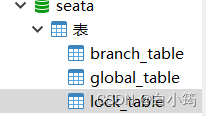
导入微服务相关联的数据库
DROP TABLE IF EXISTS `undo_log`; CREATE TABLE `undo_log` ( `branch_id` bigint(20) NOT NULL COMMENT 'branch transaction id', `xid` varchar(100) CHARACTER SET utf8 COLLATE utf8_general_ci NOT NULL COMMENT 'global transaction id', `context` varchar(128) CHARACTER SET utf8 COLLATE utf8_general_ci NOT NULL COMMENT 'undo_log context,such as serialization', `rollback_info` longblob NOT NULL COMMENT 'rollback info', `log_status` int(11) NOT NULL COMMENT '0:normal status,1:defense status', `log_created` datetime(6) NOT NULL COMMENT 'create datetime', `log_modified` datetime(6) NOT NULL COMMENT 'modify datetime', UNIQUE INDEX `ux_undo_log`(`xid`, `branch_id`) USING BTREE ) ENGINE = InnoDB CHARACTER SET = utf8 COLLATE = utf8_general_ci COMMENT = 'AT transaction mode undo table' ROW_FORMAT = Compact;- 1
- 2
- 3
- 4
- 5
- 6
- 7
- 8
- 9
- 10
- 11
[外链图片转存失败,源站可能有防盗链机制,建议将图片保存下来直接上传(img-z6jIDSEj-1662039964373)(D:\笔记\a\image-20220831212022129.png)]
2、修改配置文件为AT
data-source-proxy-mode: AT- 1
3、重启微服务
TCC模式原理


TCC模式的每个阶段是做什么的?
- Try:资源检查和预留
- Confirm:业务执行和提交
- Cancel:预留资源的释放
TCC的优点是什么?
- 一阶段完成直接提交事务,释放数据库资源,性能好
- 相比AT模型,无需生成快照,无需使用全局锁,性能最强
- 不依赖数据库事务,而是依赖补偿操作,可以用于非事务型数据库
TCC的缺点是什么?
- 有代码侵入,需要人为编写try、Confirm和Cancel接口,太麻烦
- 软状态,事务是最终一致
- 需要考虑Confirm和Cancel的失败情况,做好幂等处理
案例:改造acccount-service服务,利用TCC实现分布式事务
-
修改account-service,编写try、confirm、cancel逻辑
-
try业务:添加冻结金额,扣减可用金额
-
confirm业务:删除冻结金额
-
cancel业务:删除冻结金额,恢复可用金额
-
保证confirm、cancel接口的幂等性
-
允许空回滚(当某分支事务的try阶段阻塞时,可能导致全局事务超时而触发二阶段的cancel操作。在未执行try操作时先执行了cancel操作,这时cancel不能做回滚,就是空回滚):cancel业务中,根据xid查询account_freeze,如果为null则说明try还没做,需要空回滚
-
拒绝业务悬挂(对于已经空回滚的业务,如果以后继续执行try,就永远不可能confirm或cancel,这就是业务悬挂。应当阻止执行空回滚后的try操作,避免悬挂):try业务中,根据xid查询account_freeze ,如果已经存在则证明Cancel已经执行,拒绝执行try业务
为了实现空回滚、防止业务悬挂,以及幂等性要求。我们必须在数据库记录冻结金额的同时,记录当前事务id和执行状态,为此我们设计了一张表
/* Navicat Premium Data Transfer Source Server : local Source Server Type : MySQL Source Server Version : 50622 Source Host : localhost:3306 Source Schema : seata_demo Target Server Type : MySQL Target Server Version : 50622 File Encoding : 65001 Date: 23/06/2021 16:23:20 */ SET NAMES utf8mb4; SET FOREIGN_KEY_CHECKS = 0; -- ---------------------------- -- Table structure for account_freeze_tbl -- ---------------------------- DROP TABLE IF EXISTS `account_freeze_tbl`; CREATE TABLE `account_freeze_tbl` ( `xid` varchar(128) CHARACTER SET utf8 COLLATE utf8_general_ci NOT NULL, `user_id` varchar(255) CHARACTER SET utf8 COLLATE utf8_general_ci NULL DEFAULT NULL, `freeze_money` int(11) UNSIGNED NULL DEFAULT 0, `state` int(1) NULL DEFAULT NULL COMMENT '事务状态,0:try,1:confirm,2:cancel', PRIMARY KEY (`xid`) USING BTREE ) ENGINE = InnoDB CHARACTER SET = utf8 COLLATE = utf8_general_ci ROW_FORMAT = COMPACT; -- ---------------------------- -- Records of account_freeze_tbl -- ---------------------------- SET FOREIGN_KEY_CHECKS = 1;- 1
- 2
- 3
- 4
- 5
- 6
- 7
- 8
- 9
- 10
- 11
- 12
- 13
- 14
- 15
- 16
- 17
- 18
- 19
- 20
- 21
- 22
- 23
- 24
- 25
- 26
- 27
- 28
- 29
- 30
- 31
- 32
- 33
- 34
- 35
- 36
- 37
- 38
两个表对应的实体类
@Data @TableName("account_tbl") public class Account { @TableId private Long id; private String userId; private Integer money; }- 1
- 2
- 3
- 4
- 5
- 6
- 7
- 8
@Data @TableName("account_freeze_tbl") public class AccountFreeze { @TableId(type = IdType.INPUT) private String xid; //事务id private Stri ng userId; //用户id private Integer freezeMoney; //冻结金额 private Integer state; public static abstract class State { public final static int TRY = 0; public final static int CONFIRM = 1; public final static int CANCEL = 2; } }- 1
- 2
- 3
- 4
- 5
- 6
- 7
- 8
- 9
- 10
- 11
- 12
- 13
- 14
- 15
声明TCC的三个接口
@LocalTCC public interface AccountTCCService { @TwoPhaseBusinessAction(name = "deduct",commitMethod = "confirm",rollbackMethod = "cancel") void deduct(@BusinessActionContextParameter(paramName = "userId") String userId, @BusinessActionContextParameter(paramName = "money")int money); boolean confirm(BusinessActionContext ctx); boolean cancel(BusinessActionContext ctx); }- 1
- 2
- 3
- 4
- 5
- 6
- 7
- 8
- 9
- 10
- 11
实现TCC接口
三个基本业务实现
@Service public class AccountServiceImpl implements AccountService { //注入mapper @Autowired private AccountMapper accountMapper; @Autowired private AccountFreezeMapper freezeMapper; @Override public void deduct(String userId, int money) { //获取事务的id String xid = RootContext.getXID(); //1.扣减可用余额 accountMapper.deduct(userId,money); //2.记录冻结金额,和事务的状态 AccountFreeze freeze = new AccountFreeze(); freeze.setUserId(userId); freeze.setFreezeMoney(money); freeze.setState(AccountFreeze.State.TRY); freeze.setXid(xid); freezeMapper.insert(freeze); } @Override public boolean confirm(BusinessActionContext ctx) { //获取事务id String xid = ctx.getXid(); //删除冻结金额 int i = freezeMapper.deleteById(xid); //判断是否删除成功 return i==1; } @Override public boolean cancel(BusinessActionContext ctx) { String xid = ctx.getXid(); //0、查询冻结记录 AccountFreeze accountFreeze = freezeMapper.selectById(xid); //1、恢复可用金额 accountMapper.refund(accountFreeze.getUserId(),accountFreeze.getFreezeMoney()); //2、将动态金额清零,状态修改为Cancel accountFreeze.setFreezeMoney(0); accountFreeze.setState(AccountFreeze.State.CANCEL); int i = freezeMapper.updateById(accountFreeze); return i==1; } }- 1
- 2
- 3
- 4
- 5
- 6
- 7
- 8
- 9
- 10
- 11
- 12
- 13
- 14
- 15
- 16
- 17
- 18
- 19
- 20
- 21
- 22
- 23
- 24
- 25
- 26
- 27
- 28
- 29
- 30
- 31
- 32
- 33
- 34
- 35
- 36
- 37
- 38
- 39
- 40
- 41
- 42
- 43
- 44
- 45
- 46
- 47
- 48
- 49
- 50
- 51
- 52
- 53
- 54
解决空回滚和业务悬挂,增加幂等判断
package cn.itcast.account.service.impl; import cn.itcast.account.mapper.AccountFreezeMapper; import cn.itcast.account.mapper.AccountMapper; import cn.itcast.account.entity.AccountFreeze; import cn.itcast.account.service.AccountTccService; import io.seata.core.context.RootContext; import io.seata.rm.tcc.api.BusinessActionContext; import org.springframework.beans.factory.annotation.Autowired; import org.springframework.stereotype.Service; /** * @ClassName AccountServiceImpl * @Description TODO * @Author ylh * @Date 2022/9/1 20:54 * @Version 1.0 */ @Service public class AccountTccServiceImpl implements AccountTccService { //注入mapper @Autowired private AccountMapper accountMapper; @Autowired private AccountFreezeMapper freezeMapper; @Override public void deduct(String userId, int money) { //获取事务的id String xid = RootContext.getXID(); //判断freeze中是否有冻结记录,如果有,一定是Cancel执行过,拒绝业务 AccountFreeze oldFreeze=freezeMapper.selectById(xid); if (oldFreeze!=null){ return ; } //1.扣减可用余额 accountMapper.deduct(userId,money); //2.记录冻结金额,和事务的状态 AccountFreeze freeze = new AccountFreeze(); freeze.setUserId(userId); freeze.setFreezeMoney(money); freeze.setState(AccountFreeze.State.TRY); freeze.setXid(xid); freezeMapper.insert(freeze); } @Override public boolean confirm(BusinessActionContext ctx) { //获取事务id String xid = ctx.getXid(); //删除冻结金额 int i = freezeMapper.deleteById(xid); //判断是否删除成功 return i==1; } @Override public boolean cancel(BusinessActionContext ctx) { String xid = ctx.getXid(); //0、查询冻结记录 AccountFreeze accountFreeze = freezeMapper.selectById(xid); //空回滚的判断,没有执行冻结 if ( accountFreeze==null){ //需要空回滚 accountFreeze=new AccountFreeze(); accountFreeze.setUserId(ctx.getActionContext("userId").toString()); accountFreeze.setFreezeMoney(0); accountFreeze.setState(AccountFreeze.State.CANCEL); accountFreeze.setXid(xid); freezeMapper.insert(accountFreeze); return true; } //幂等判断--cancle超时了,又调用了一次cancel if (accountFreeze.getState()== AccountFreeze.State.CANCEL){ //已经处理过了,无需继续处理 return true; } //1、恢复可用金额 accountMapper.refund(accountFreeze.getUserId(),accountFreeze.getFreezeMoney()); //2、将动态金额清零,状态修改为Cancel accountFreeze.setFreezeMoney(0); accountFreeze.setState(AccountFreeze.State.CANCEL); int i = freezeMapper.updateById(accountFreeze); return i==1; } }- 1
- 2
- 3
- 4
- 5
- 6
- 7
- 8
- 9
- 10
- 11
- 12
- 13
- 14
- 15
- 16
- 17
- 18
- 19
- 20
- 21
- 22
- 23
- 24
- 25
- 26
- 27
- 28
- 29
- 30
- 31
- 32
- 33
- 34
- 35
- 36
- 37
- 38
- 39
- 40
- 41
- 42
- 43
- 44
- 45
- 46
- 47
- 48
- 49
- 50
- 51
- 52
- 53
- 54
- 55
- 56
- 57
- 58
- 59
- 60
- 61
- 62
- 63
- 64
- 65
- 66
- 67
- 68
- 69
- 70
- 71
- 72
- 73
- 74
- 75
- 76
- 77
- 78
- 79
- 80
- 81
- 82
- 83
- 84
- 85
- 86
- 87
- 88
- 89
- 90
- 91
- 92
- 93
- 94
- 95
- 96
- 97
- 98
- 99
- 100
- 101
- 102
- 103
修改web中service方法
@Autowired private AccountTCCService accountService;- 1
- 2
Saga模式
Saga模式是SEATA提供的长事务解决方案。也分为两个阶段:
一阶段:直接提交本地事务
二阶段:成功则什么都不做;失败则通过编写补偿业务来回滚
Saga模式优点:
事务参与者可以基于事件驱动实现异步调用,吞吐高
一阶段直接提交事务,无锁,性能好
不用编写TCC中的三个阶段,实现简单
缺点:
软状态持续时间不确定,时效性差
没有锁,没有事务隔离,会有脏写

-
相关阅读:
数据抓取代码示例
【无标题】
[CMake教程] 循环
stm32寄存器开发
二、数据库查询语句(多表查询篇)
【JavaWeb】一篇承载Ajax、Axios、Json的学习笔记~
CentOS系统利用kickstart自动生成工具通过图形化配置的方式生成ks.cfg文件
力扣刷题之分数加减运算(每日一题7/27)
普洛斯探索新型算力基础设施“智”冷之道,发布制冷系统预制集成技术白皮书
设计模式--builder 模式
- 原文地址:https://blog.csdn.net/qq_57907966/article/details/126652072
